

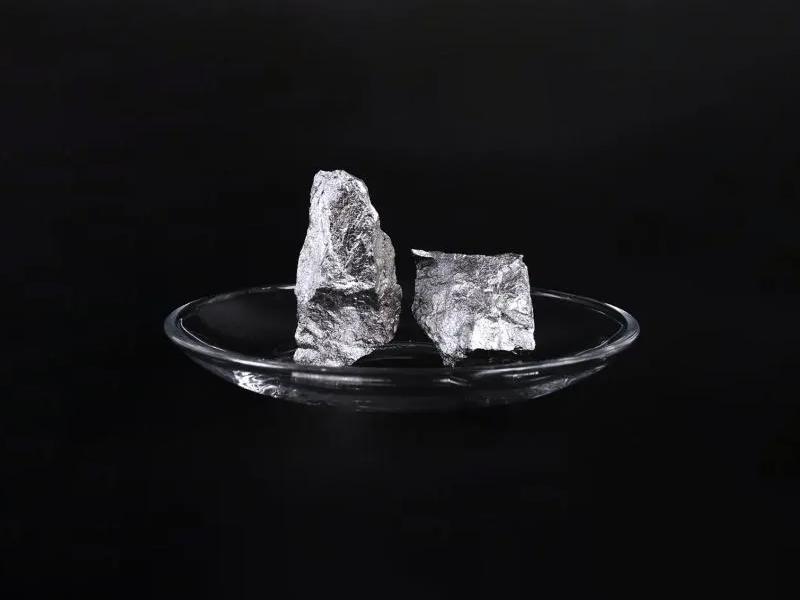
Title: Analysis Report on the Application of Rhodium Metal in Automotive Exhaust Catalytic Purification

I. Introduction
As a key member of the platinum group metals (PGMs), rhodium (Rh) occupies a core position in modern automotive exhaust after-treatment systems due to its exceptional catalytic activity and physical stability. This report aims to systematically elaborate on the mechanism of action, technical parameters, and relevant market data of rhodium in three-way catalysts from both technical application and industrial economic perspectives.
II. Technical Mechanism of Action
In automotive three-way catalytic converters, the active components loaded onto the catalyst coating typically include platinum, palladium, and rhodium. Among these, the primary function of rhodium is the selective catalytic reduction of nitrogen oxides (NOx).
- Reaction Pathway: Rh active centers coordinate and activate NOx molecules, decomposing them into N₂ and O₂, or reacting them with CO and H₂ in the exhaust to produce N₂ and H₂O/CO₂.
- Synergistic Effect: Unlike Pt and Pd, which primarily undertakes oxidation tasks, Rh exhibits optimal NOx reduction efficiency within the stoichiometric air-fuel ratio window. This makes it an indispensable component for meeting emission regulations such as China 6b, Euro 6d, and beyond.
III. Key Physical Performance Indicators
Rhodium’s suitability for catalysts stems from the following core properties:
| Performance Indicator | Parameter/Characteristic | Industrial Significance |
|---|---|---|
| Melting Point | >1960°C | Ensures structural integrity and stable activity under high-temperature exhaust conditions. |
| Corrosion Resistance | High resistance to compounds like sulfur and phosphorus | Extends catalyst service life and reduces deactivation risk. |
| Crustal Abundance | ~0.0002 ppm | Extreme scarcity determines its high market value and strategic attributes. |
IV. Market Data and Industry Dynamics (as of March 2026)
- Price Trend: According to data from Trading Economics, the spot price of rhodium on February 25, 2026, was $12,250 per ounce, representing a year-on-year increase of 160.64%.
- Supply and Demand Structure: Approximately 80% of primary rhodium supply originates from South Africa. Against a backdrop of supply rigidity, increasingly stringent global vehicle emission standards are driving higher rhodium loadings in catalysts, creating a supply-demand gap.
- Recycling Industry: Given the scarcity of primary resources, recycled rhodium has become a crucial channel for supplementing supply. Policy initiatives are promoting an increase in the PGM recycling rate from 12% to 30% to enhance resource security.
V. Technological Evolution and Substitution Research
Current industry R&D focuses include:
- Rhodium Reduction Technologies: Improving coating dispersion processes and support structures to reduce unit rhodium consumption while maintaining NOx conversion efficiency.
- Exploration of Alternative Materials:Iron and cobalt-based catalysts have shown potential as alternatives in some reactions, but have not yet fully replicated rhodium’s performance advantages under the complex operating conditions of automotive exhaust.
VI. Conclusion
Rhodium plays a highly specific and irreplaceable role in automotive exhaust purification catalysts. With the continuous tightening of emission regulations and intensifying resource constraints, rhodium’s strategic value will continue to be highlighted. Strengthening the recycling and utilization of rhodium resources, along with research and development of reduction technologies, is a key pathway to ensuring the stability of the downstream industrial supply chain.
