Category Uncategorized

What Are the Melting Point and Density of Iridium? How Do These Properties Benefit Practical Applications?

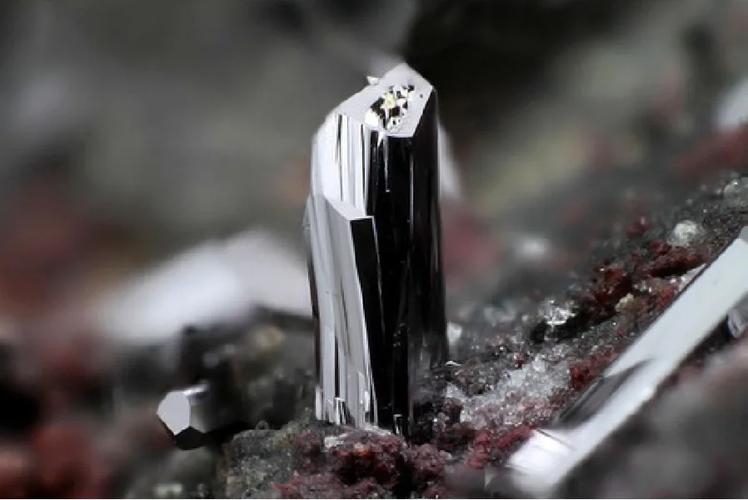
Abstract Iridium (Ir), a quintessential platinum-group metal, boasts an exceptionally high melting point of 2446°C (some sources cite 2450°C) and a density of 22.652 g/cm³ (20°C), ranking among the densest naturally occurring metals. These extreme properties make it indispensable in high-temperature, corrosive, and high-stress environments:…

Composition and Performance Characteristics of Solder Alloys

Abstract Solder alloys are tin (Sn)-based metallic materials widely used in electronics assembly, automotive radiator sealing, and other applications. The most common formulation is tin-lead (Sn-Pb) solder (e.g., Sn63/Pb37, melting point 183°C), valued for its low melting point, excellent wettability, and electrical conductivity (resistivity ~12.6 μΩ·cm). Lead-free solders (e.g., Sn-Ag-Cu systems) incorporate silver (Ag)…

Rhodium Acetate: The “Hidden Power” from Precious Metal to Critical Catalyst – Latest Rhodium Price Trends

Shaoguan Yuntian Metals Abstract Among precious metal compounds, rhodium acetate (Rh(OAc)₃) may not be a household name, yet it serves as an indispensable “core player” in industries like chemicals, pharmaceuticals, and advanced materials. Whether in high-end organic synthesis or fine chemical production, rhodium acetate stands out as one…

Platinum-Rhodium Recovery from Waste Refractory Castables

Shaoguan Yuntian Metals Abstract In the fiberglass industry, it is well-known that platinum-rhodium (Pt-Rh) alloys are essential for bushing plates in glass fiber production. However, few realize that these precious metals gradually volatilize, detach, and become adsorbed by surrounding refractory castables during high-temperature operations. When…