

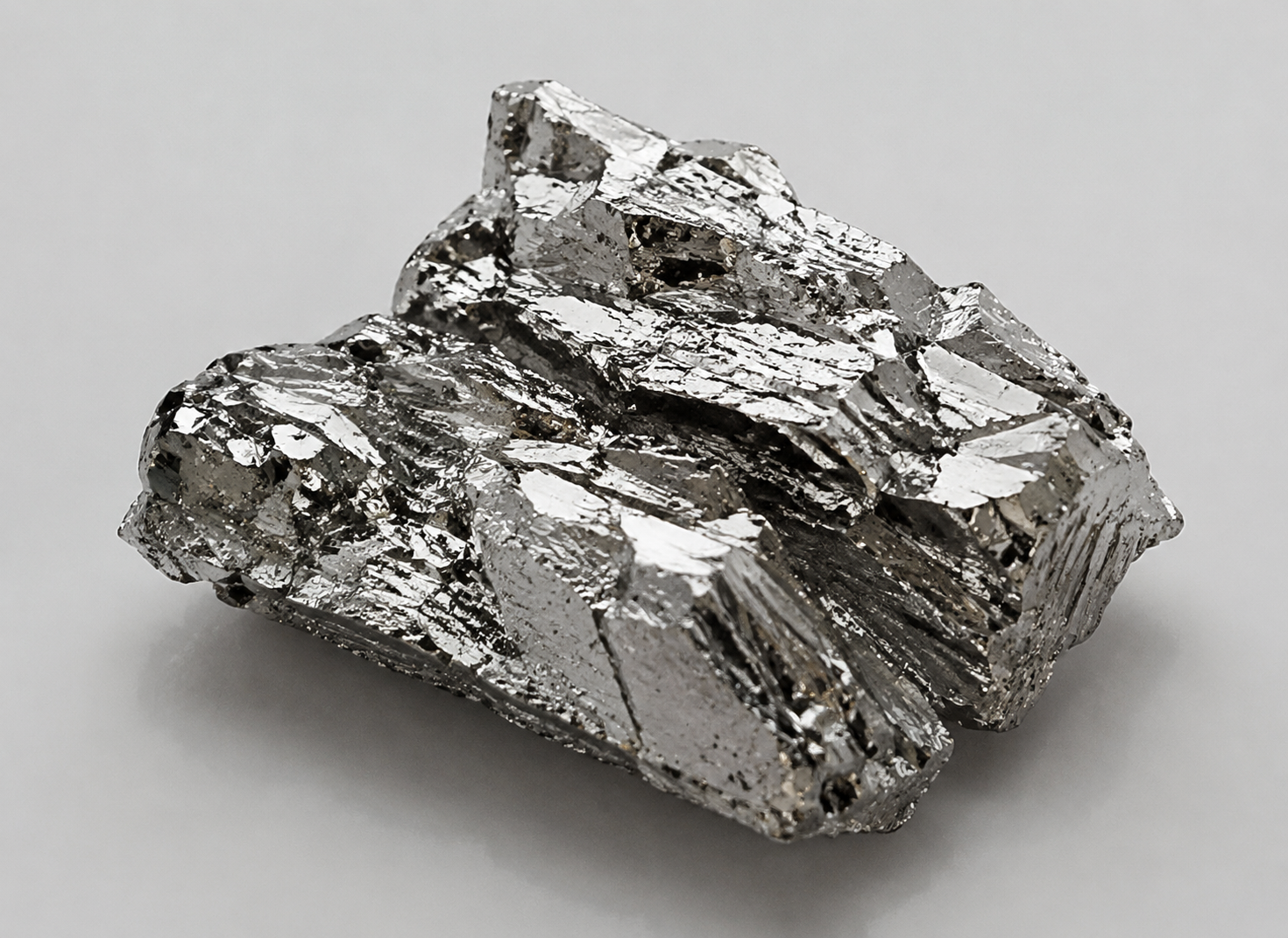
Common Forms of Rhodium Materials: A Diversified Product Portfolio

Rhodium (Rh) is one of the most strategically valuable platinum group metals, with global demand exceeding 87% coming from automotive three-way catalysts. With a melting point of 1966°C, excellent chemical stability, high hardness, and wear resistance, rhodium is irreplaceable in catalysis, electronics, jewelry, and fiberglass manufacturing.
Depending on downstream applications, rhodium is supplied in multiple physical forms:
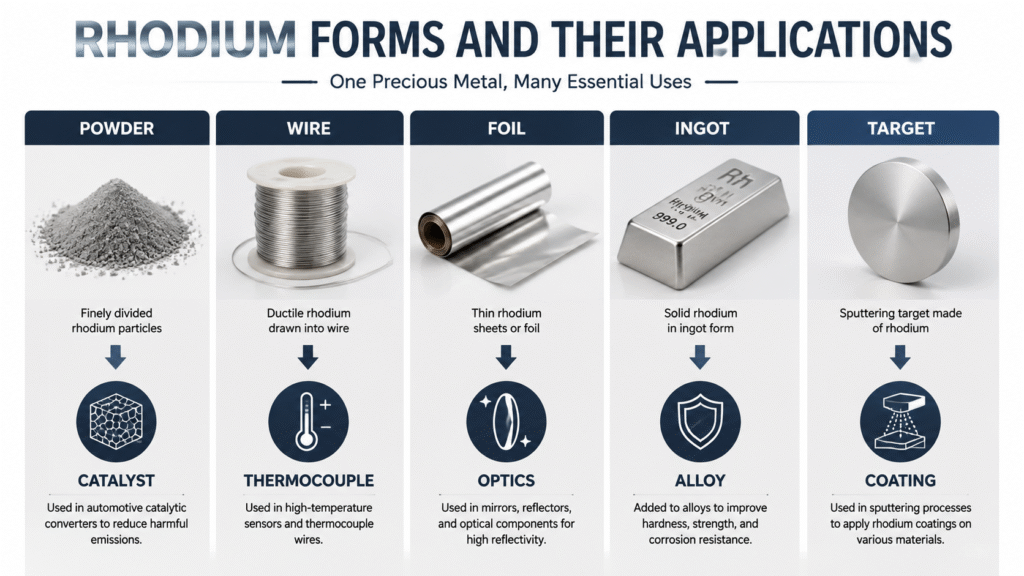
I. Powder Forms
1. Rhodium Powder — The most basic and versatile form, available in mesh sizes including -100 mesh, -200 mesh, and -325 mesh. Grayish-white in appearance with high specific surface area.
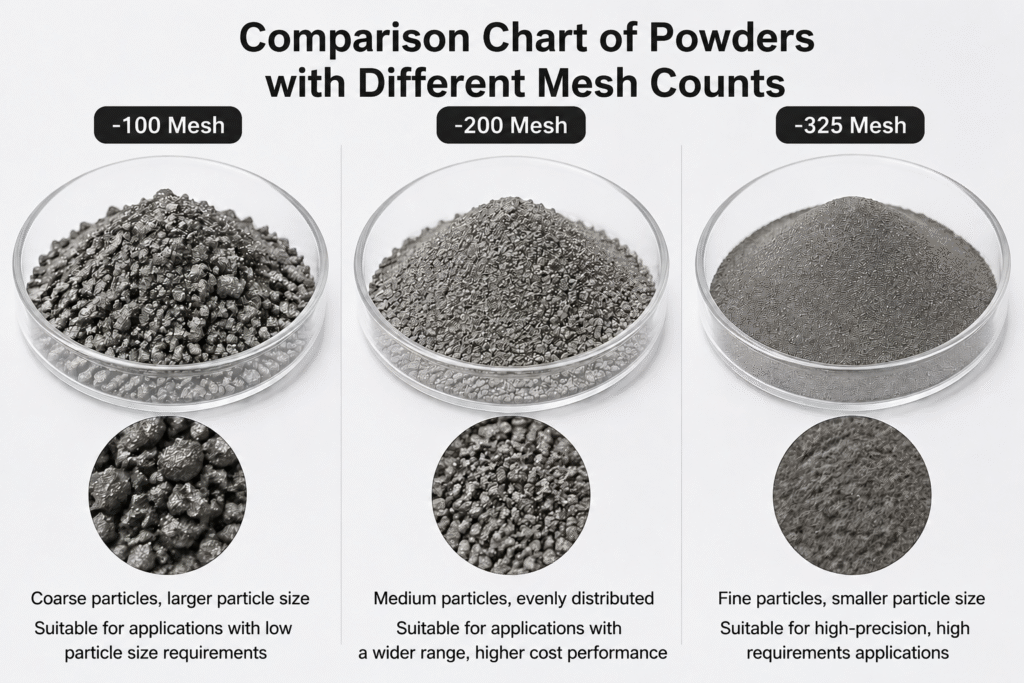
Purity Grades: ASTM B616-23 specifies three grades: 99.80%, 99.90%, and 99.95%. China’s GB1421-2004 specifies FRh-1 (≥99.99%), FRh-2 (≥99.95%), and FRh-3 (≥99.9%).
Applications: Catalyst preparation, alloy additives, rhodium-iodine catalysts for acetic acid production.
2. Rhodium Black — A finely divided, high-surface-area, highly active rhodium powder with a black appearance. Used as a catalyst for organic hydrogenation and oxidation. Surface area: 40–60 m²/g.
II. Sponge Form
Rhodium Sponge is a high-purity, high-porosity powdered or granular form, typically coarser than 200 mesh. Common specification: -20 mesh. It is the most common form of rhodium-, primarily used for preparing electroplating solutions for jewelry applications. Purity: 99.9%–99.95%.
III. Wire Form
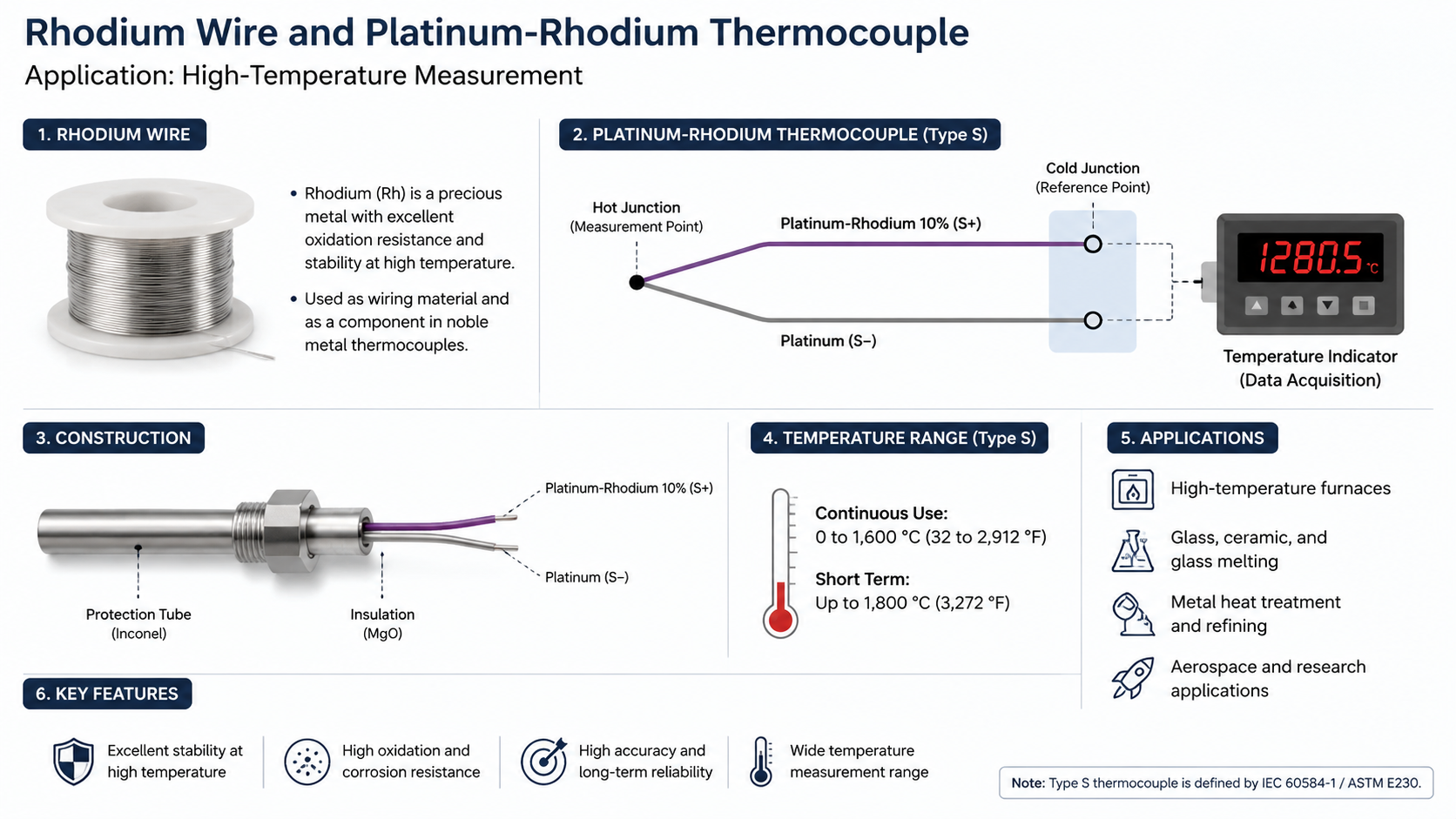
Rhodium Wire is produced by precision drawing, with common diameters including 1.0mm, 0.25mm, and 0.127mm.
Applications:
- Thermocouples: Pt-Rh thermocouples (e.g., Pt-Rh10/Pt) for high-temperature measurement
- Electrical contacts: Low and stable contact resistance with high corrosion resistance
- Jewelry plating: Wear-resistant reflective surface
IV. Foil Form
Rhodium Foil is rolled from high-purity rhodium, with thicknesses ranging from 0.025mm (0.001 inch) to 0.5mm (0.02 inch) .
Applications: Optical instruments, medical devices (cancer screening equipment), aerospace optical reflectors.
V. Ingot and Pellet Forms
Rhodium Ingot is cast from molten rhodium. Rhodium Pellets/Granules are uniform particles used for evaporation coating. Rhodium Slug is also available.
VI. Other Forms
Rhodium Sputtering Targets: Used for PVD and thin-film deposition in semiconductors and optical coatings. Rhodium Disc and Rhodium Rod are also common.
VII. Physical and Chemical Properties
| Property | Value |
| Atomic Number | 45 |
| Atomic Weight | 102.9055 |
| Density (20°C) | 12.41 g/cm³ |
| Melting Point | 1966℃±3℃ |
| Boiling Point | 3727℃±3℃ |
| Crystal Structure | Cubic |
| Resistivity (20°C) | 4.51×10⁻⁸ Ω·m |
| Mohs Hardness | 6 |
| Color | Silver-white |
Rhodium is chemically inert, stable in air, halogens, water, and dilute acids, slightly soluble in aqua regia.
VIII. Market Prices
Rhodium prices strengthened in 2026, rising 13% since July 1. As of August 20, Shanghai rhodium powder spot prices reached RMB 2,160–2,210/g, with international prices at $8,650/oz. Global mine production in 2024 was only 21.9 tonnes, with total supply of 31.1 tonnes including recycling.
