

The Most Extensive Industrial Applications of Dysprosium
Abstract
Dysprosium is a rare earth element widely applied across various industrial sectors due to its unique magnetic and optical properties. Its most prominent uses include high-performance permanent magnets, lasers, and lighting devices. Dysprosium enhances the high-temperature performance of neodymium-iron-boron (NdFeB) magnets, making it extensively utilized in wind turbines and electric vehicles. Additionally, dysprosium serves as a control rod material in nuclear reactors because of its excellent neutron absorption capability. Its comprehensive properties establish dysprosium as a critical material in numerous high-technology fields.
1.Key Physical and Chemical Properties of Dysprosium
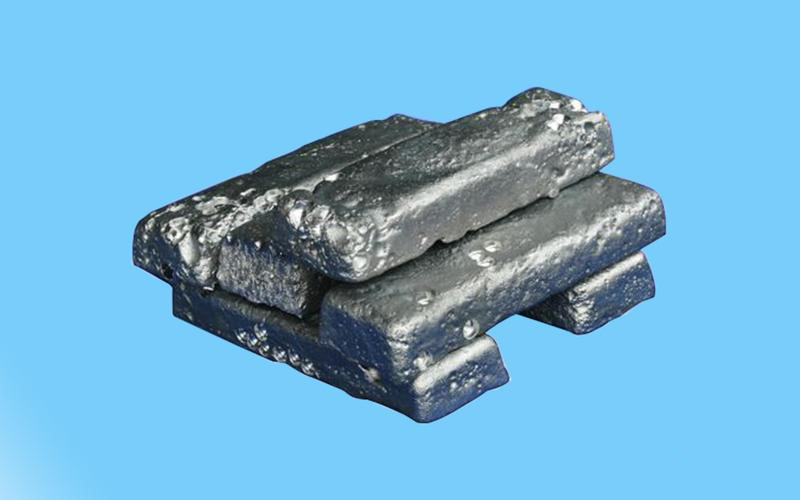
Dysprosium (Dy) is a silvery-white rare earth metal characterized by good ductility and oxidation resistance. Its distinctive magnetic and optical characteristics underpin its industrial applications.
1.1 Magnetic Properties
1.1.1 Magnetization Performance
Dysprosium exhibits very high magnetization strength, significantly raising the Curie temperature of NdFeB magnets, thus enabling them to maintain strong magnetism at elevated temperatures. This feature is essential for manufacturing high-performance magnets.
1.2 Optical Properties
1.2.1 Optical Emission
Dysprosium ions (Dy³⁺) emit multiple colors such as blue, green, and yellow, making them suitable for multicolor lighting and display technologies. Tunable light emission is achieved via synergistic interactions with other elements.
2.Extensive Industrial Applications
Dysprosium’s unique properties have led to its widespread use in various high-tech and traditional industrial fields.
2.1 Permanent Magnet Materials
2.1.1 Enhancement of NdFeB Magnets
Dysprosium is added to NdFeB magnets to improve their performance under high-temperature conditions. It is an indispensable material component in the manufacture of modern wind turbines and electric vehicle motors.
2.1.2 Application Examples
In wind power generation, permanent magnets enhanced with dysprosium support the long-term stable operation of large-scale wind turbines, thereby improving the overall efficiency and reliability of the equipment.
2.2 Lighting and Display Technologies
2.2.1 Fluorescent Lamps
Dysprosium acts as an important activator in mercury and other gas discharge lamps, helping produce bright and clear light. It is widely used in professional lighting equipment.
2.2.2 Laser Technology
Dysprosium-based lasers find applications in medical and industrial laser systems. Their stable spectral properties and excellent luminescence efficiency render dysprosium highly valuable in this field.
2.3 Nuclear Energy Industry
2.3.1 Neutron Absorbing Materials
Due to its strong neutron absorption capability, dysprosium is used in the manufacture of control rods for nuclear reactors. It plays a crucial role in regulating nuclear fission rates during energy production and research, ensuring safe reactor operation.
2.4 Information Technology
2.4.1 Data Storage
Leveraging dysprosium’s magnetic properties, storage components based on dysprosium are utilized to enhance the precision and stability of data storage devices, supporting greater data capacity and faster data access.
2.5 Emerging Application Areas
2.5.1 Electric Vehicle Industry
Electric vehicles rely on high-performance NdFeB magnets. The addition of dysprosium improves these magnets’ efficiency within onboard power systems, propelling the development of electric transportation.
2.5.2 Green Energy Solutions
Dysprosium’s high-temperature stability contributes to enhancing the efficiency of renewable energy technologies, particularly by improving device stability and electromagnetic conversion efficiency under elevated temperatures.
3.Challenges and Prospects for Future Development
While dysprosium plays a vital role in modern industry, its future development faces resource and technological challenges.
3.1 Resource Challenges
3.1.1 Supply Constraints
As a rare earth element, dysprosium’s extraction and processing involve technical difficulties and high costs. More effective resource management and new technologies are required to ensure sustainable supply.
3.1.2 Environmental Impact
Industrial waste and environmental pollution generated during refining processes must be addressed through technological optimization and regulatory policies.
3.2 Technological Innovation and Application Expansion
3.2.1 Advances in Material Science
Ongoing development of new materials will continue to enhance the performance of dysprosium-based magnetic and optical materials, driving new applications across diverse technological fields.
3.2.2 Policy Support and International Cooperation
Global collaboration and policy support are essential to promote the efficient use of dysprosium and other rare earth materials, advancing the adoption of green energy and emerging technologies worldwide.
Conclusion
Dysprosium’s broad industrial applications stem from its exceptional magnetic and optical properties. Particularly in power and energy sectors, dysprosium is crucial for improving equipment efficiency and stability. With technological progress and evolving market demands, the use of dysprosium will further expand, maintaining its key role in future high-tech industries. Through enhanced resource utilization and technological innovation, dysprosium will continue to provide vital support to modern industry.
