

Recovery of Low-Concentration Gallium from Alkaline Waste Solutions: A Technical Study
Shaoguan Yuntian Metals
Abstract
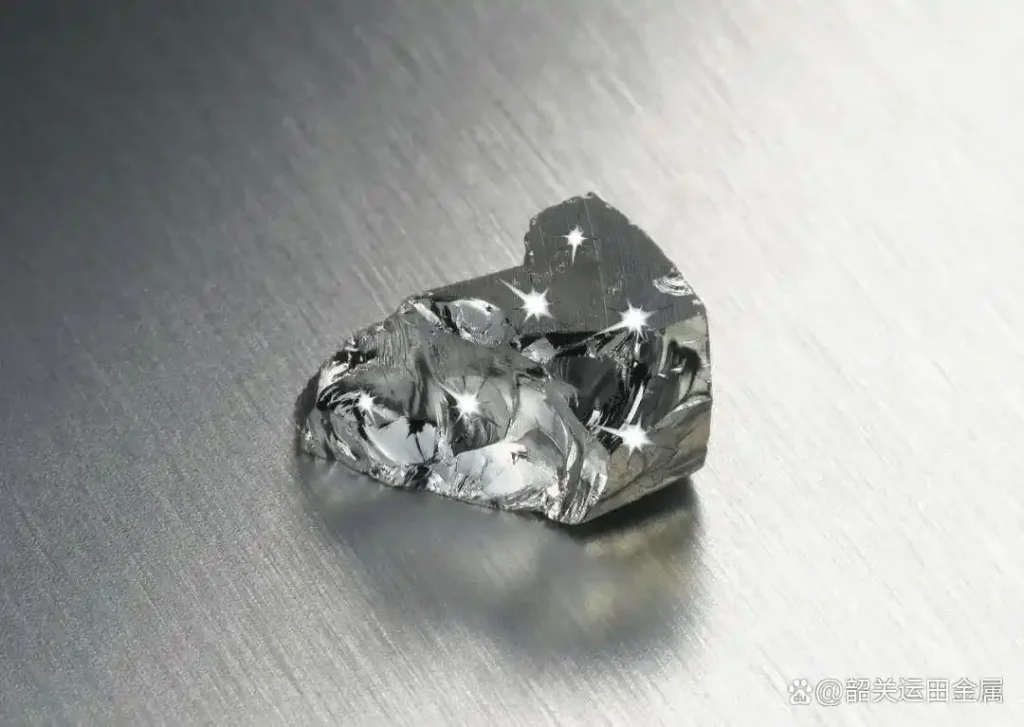
In processes such as bauxite refining and alumina production, trace amounts of metallic gallium are commonly present in alkaline mother liquors. Despite its extremely low concentration, gallium is a critical rare metal widely used in semiconductors, LED chips, and solar thin-film materials, possessing high market value and broad application prospects.
- Research Background: Gallium as a “Hidden Resource”
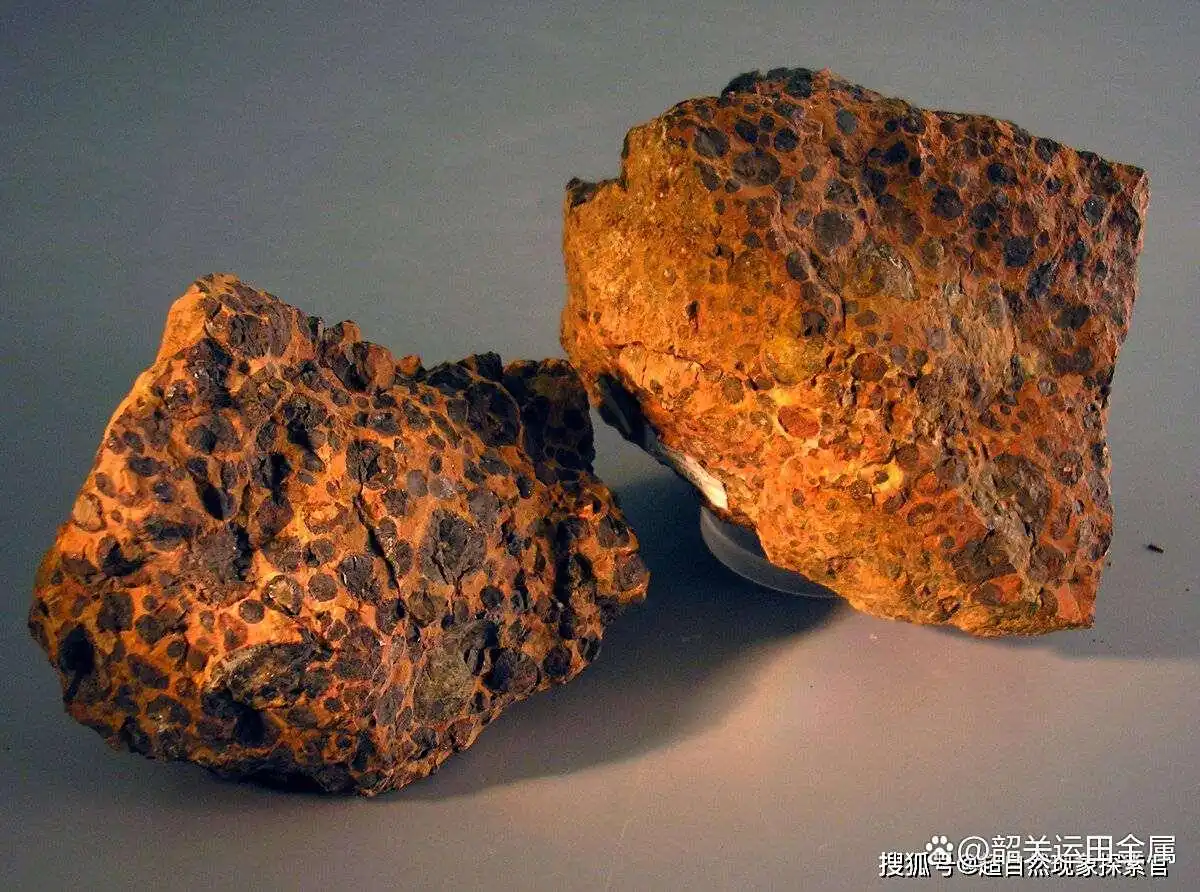
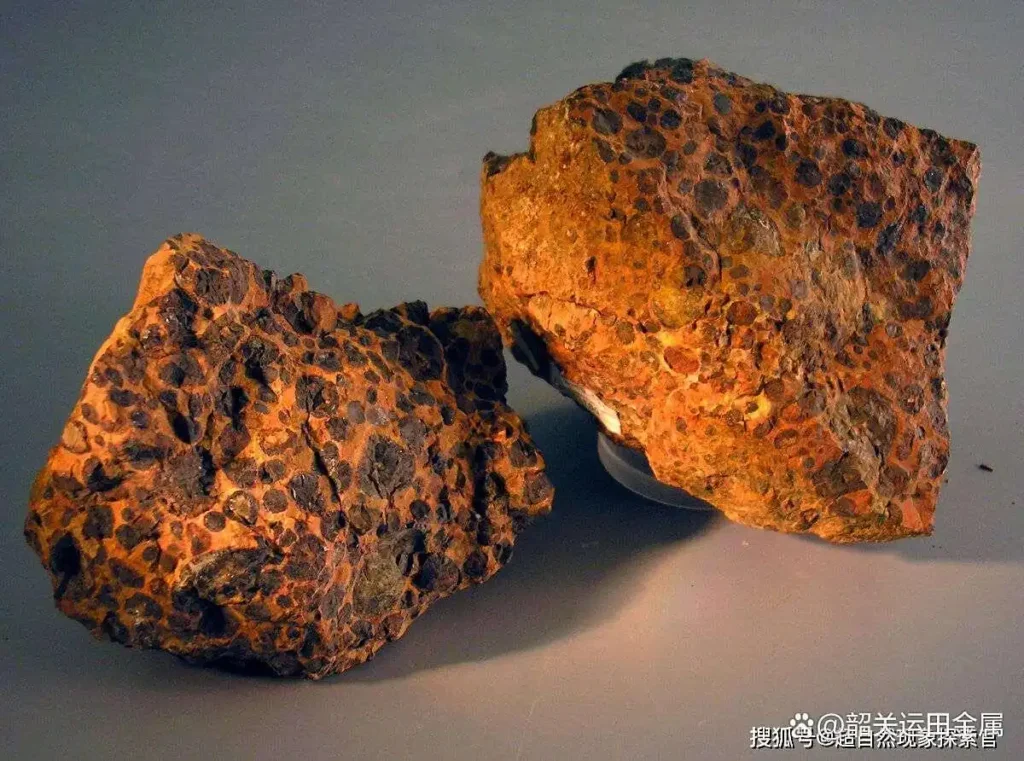
During the Bayer process for alumina production, bauxite is treated with caustic soda, dissolving the main metal aluminum as sodium aluminate, while gallium, as an associated element, enters the mother liquor. Through multiple recycling cycles, gallium concentrations in the alkaline liquor can gradually enrich to 0.1–0.3 mg/L.
Historically, such low concentrations were deemed “non-recoverable” due to three main challenges: (1) the complex alkaline matrix containing high concentrations of NaOH and Al(OH)₄⁻ ions; (2) the chemical similarity of gallium to aluminum, complicating separation; (3) conventional resins degrade readily in strong alkaline environments, resulting in poor adsorption efficiency.
Consequently, gallium is often discharged with red mud or waste solutions, causing resource wastage and environmental burdens. - Research Approach: Resin-Based Adsorption–Desorption System
This study employed a chelating resin with excellent alkali resistance (oxime-type resin) to selectively adsorb gallium ions under alkaline conditions. Systematic investigations were conducted on adsorption parameters, including initial gallium concentration, pH, temperature, resin dosage, and contact time. Key findings include:
- At 60°C, with resin dosage at 1% of the solution volume and 90 minutes contact time, gallium adsorption reached 90.6%;
- At approximately pH 13, resin structure remained stable, and gallium existed as Ga(OH)₄⁻, achieving optimal adsorption performance;
- Adsorption rate was fastest in the initial 30 minutes, then gradually approached equilibrium, consistent with a pseudo-second-order kinetic model.
Following adsorption, desorption experiments using dilute sulfuric acid were performed. Results showed the highest desorption efficiency (average 73.8%) at 2 mol/L acid concentration. After enrichment, gallium concentration in the eluate increased from an initial 0.12 mg/L to 7 mg/L, realizing approximately a 58-fold concentration factor.
- Kinetics and Isotherm Characteristics Analysis
To elucidate the adsorption mechanism, kinetic and isotherm models were fitted to the experimental data.
- The adsorption process conforms to the pseudo-second-order kinetic model, indicating chemisorption dominates gallium uptake;
- Isotherm data fit the Langmuir model, suggesting monolayer adsorption of gallium ions on the resin surface;
- Thermodynamic analysis revealed a negative standard Gibbs free energy change (ΔG⁰ < 0), confirming the adsorption is spontaneous and exothermic. Increased temperature accelerates adsorption kinetics but has minimal effect on equilibrium capacity.
These results validate the process feasibility and provide a theoretical foundation for future large-scale industrial implementation.
Shaoguan Yuntian Metals Summary:
This study demonstrates for the first time that economically viable recovery of gallium at ultra-low concentrations (~0.1 mg/L) is achievable by optimizing adsorption conditions. Integrating this technology with existing alumina plant mother liquor recycling systems could enable partial gallium recovery without altering the primary process, realizing true “simultaneous production and extraction.”
