

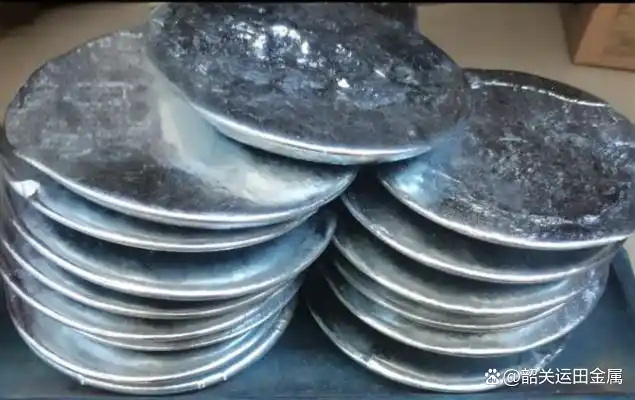
Recovery of Gallium from Gallium-Containing Pig Iron: Electrolytic Process Reveals Hidden Resources
Shaoguan Yuntian Metals
Abstract:
In steelmaking, some metals are deliberately extracted, while others enter the product “incidentally” during the process. Gallium belongs to the latter category. It gradually accumulates during the smelting of vanadium-titanium magnetite and ultimately ends up in pig iron. Historically, gallium-containing pig iron was treated as ordinary iron feedstock, and the gallium embedded within was overlooked and unused.
However, with the rapid expansion of industries such as semiconductors, Mini LED, and 5G communications in recent years, the importance of gallium has been re-evaluated. From economic value to strategic significance, gallium can no longer be ignored. Gallium’s natural reserves are extremely limited; global annual production mainly stems from smelting by-products, lacking stable ore sources. Today, gallium is increasingly regarded as a strategic metal at the national level. Market performance underscores this trend:
Domestic gallium recycling reference price: 1680–1710 RMB/kg
FOB international trade price: 395–405 USD/kg
These price levels clearly demonstrate the tangible profit potential in gallium recovery.
Electrolytic Refining—Iron Removed, Gallium Retained: A Win-Win Approach
To transform gallium-containing pig iron from “waste” into “treasure,” researchers have adopted mature and reliable electrolytic refining technology. The operational concept is straightforward:
- Iron dissolves at the anode and deposits in high-purity metallic form at the cathode.
- Due to differences in electrode potentials, gallium does not deposit but instead concentrates in the anode sludge.
This method achieves effective separation while ensuring that iron resources continue to circulate within the recycling system.
Experimentation Driven by Data Rather Than Routine
To reach industrially acceptable efficiency, extensive trials optimized key parameters as follows:
| Parameter | Optimal Range | Purpose |
|---|---|---|
| Current density | ~200 A/m² | Balance deposition rate and morphology |
| Electrolyte pH | ~4 | Avoid hydrogen evolution interference and premature iron precipitation |
| NH₄Cl concentration | ~100 g/L | Maintain conductivity and dissolution effectiveness |
| Fe²⁺ concentration | Stable 50 g/L | Ensure continuity of the electrolytic process |
The final results have practical significance:
- Gallium recovery rate exceeds 85%.
- Gallium enrichment factor in anode sludge increases by several tens of times.
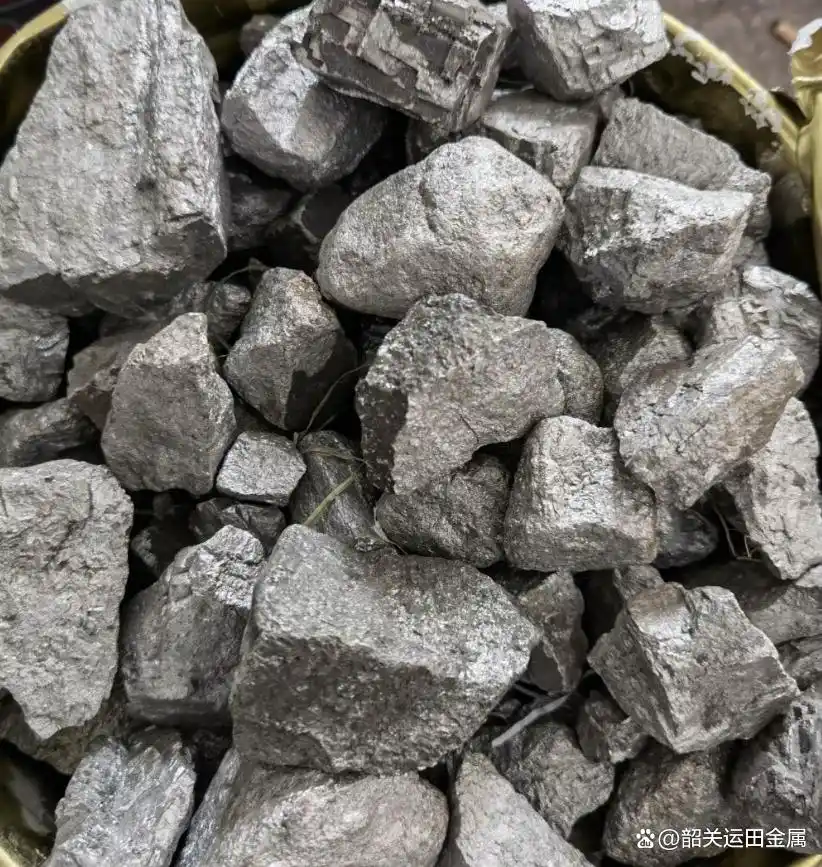
From both economic and resource utilization perspectives, this represents a highly cost-effective pathway.
More importantly:
Gallium is no longer a “by-product” but a proactively extracted profit center. The role of gallium-containing pig iron in the industry chain is quietly shifting—from ordinary raw material to a dispersed metal carrier.
Shaoguan Yuntian Metals concludes: Every kilogram of gallium recovered contributes to more efficient industry practices and fuller resource utilization—this is the true value of metal recycling.
