Selenium is a chemical element with the symbol Se and atomic number 34. It belongs to the chalcogen group (Group 16) of the periodic table, alongside oxygen, sulfur, tellurium, and polonium. A metalloid with properties intermediate between metals and nonmetals, selenium is known for its photoconductivity (electrical conductivity increases with light exposure) and its role as an essential trace element in biology, though it is toxic in high doses. Here’s a detailed overview:
- Classification: A metalloid, chalcogen, and nonmetal/metal hybrid (exhibits both metallic and nonmetallic traits).
- Atomic mass: ~78.97 u.
- Physical states: Exists in several allotropes (forms):
- Amorphous selenium: A red, powdery solid (stable at low temperatures).
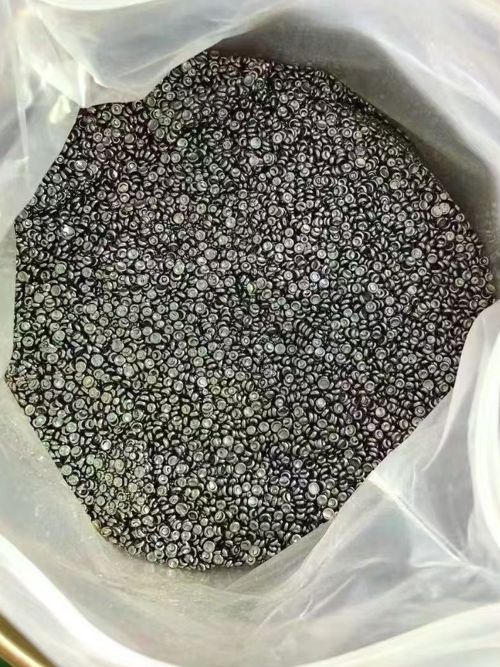
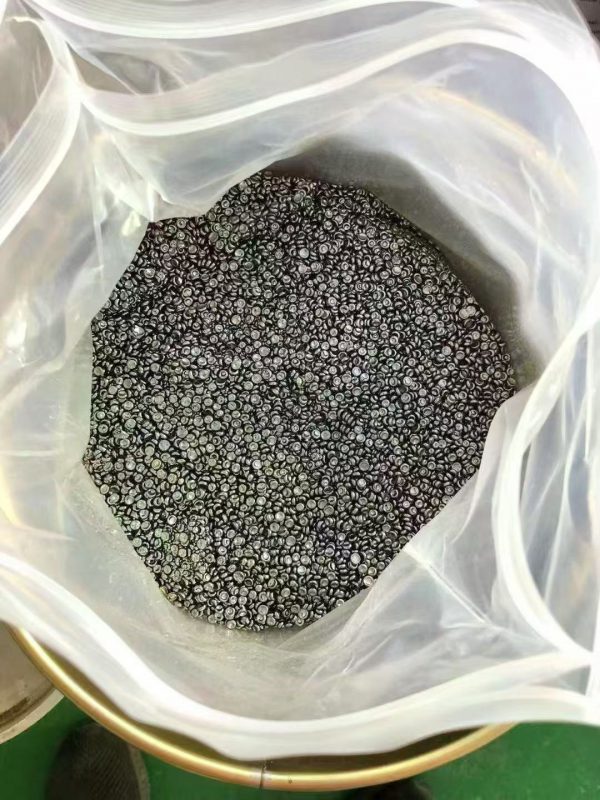
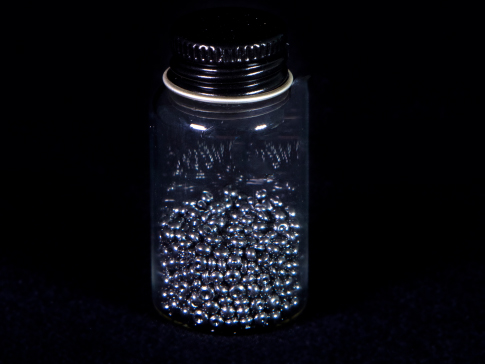
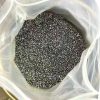
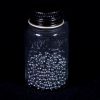
- Crystalline selenium: Includes gray (metallic) selenium—a brittle, silvery-gray solid with metallic luster, which is the most stable form and conducts electricity (especially when exposed to light).
- Melting point: ~221 °C (gray selenium).
- Boiling point: ~685 °C.
- Density: ~4.81 g/cm³ (gray selenium).
- Photoconductivity: A key property—its electrical resistance drops significantly when exposed to light, making it useful in light-sensitive devices.
- Relatively reactive, though less so than sulfur. It burns in air to form selenium dioxide (SeO₂), a pungent gas.
- Reacts with halogens (e.g., chlorine, bromine) to form selenium halides.
- Dissolves in concentrated nitric acid or hot, concentrated sulfuric acid but is resistant to dilute acids and alkalis.
- Exhibits a range of oxidation states: -2, +4, and +6 (most common), with +4 being dominant in many compounds (e.g., SeO₂, H₂SeO₃).
- Rare in Earth’s crust, with an average abundance of ~0.05 parts per million (ppm). It rarely occurs in its free form.
- Primarily found as a trace impurity in sulfide ores (e.g., pyrite, chalcopyrite) of copper, lead, and nickel. Major sources include mining regions in the United States, Canada, Chile, and Russia.
- Extracted as a byproduct during the smelting of copper or nickel ores. The process involves roasting the ore to release selenium dioxide, which is then captured, reduced, and purified into elemental selenium.
- Electronics & Photonics: Gray selenium’s photoconductivity makes it useful in photocopiers, light meters, and early photovoltaic (solar) cells. It is also used in rectifiers (devices that convert alternating current to direct current).
- Glass industry: Added to glass to counteract the green tint caused by iron impurities, producing clear or pink-tinted glass. High concentrations create red or brown glass for decorative or industrial use.
- Alloys: Mixed with metals like stainless steel to improve machinability, or with lead to enhance resistance to corrosion and wear (e.g., in battery terminals).
- Biological & nutritional applications: Selenium is an essential trace element for humans and animals, critical for antioxidant enzymes (e.g., glutathione peroxidase) that protect cells from damage. It is added to animal feed and some dietary supplements.
- Agriculture: Used in fungicides (e.g., sodium selenite) to control plant diseases, though its use is regulated due to toxicity.
- Discovered in 1817 by Swedish chemist Jöns Jacob Berzelius, who named it after Selene (Σελήνη), the Greek goddess of the moon, to complement tellurium (named after Tellus, the Roman goddess of the Earth), as the two elements share chemical similarities.
- Toxicity: High doses (exceeding ~400 μg/day for humans) cause selenosis, with symptoms including hair loss, nail brittleness, nausea, and neurological issues. Selenium compounds are also toxic to aquatic life, requiring careful handling in industrial processes.
In summary, selenium’s unique blend of metalloid properties, photoconductivity, and biological significance makes it vital in electronics, materials science, and nutrition, despite its rarity and potential toxicity.


Reviews
There are no reviews yet.