Compared with gold and silver, palladium has a rather short history, but its diverse applications have made it one of the most popular metals in the world. Palladium is mainly used in the automotive industry, but also in electronics, dentistry, industrial processes, photography, jewelry, and investments.
Although palladium has a shorter historical timeline compared to other precious metals such as gold, silver, platinum, and copper, its various uses and impacts on modern society have made it highly favored worldwide. What is palladium? Palladium is a silvery-white metal belonging to the platinum group metals (PGMs). PGMs also include platinum, iridium, rhodium, and ruthenium. Palladium shares many similarities with platinum, though it is the softest, least dense, and has the lowest melting point among all PGMs.
Two common compounds involving palladium are palladium chloride and palladium acetate. Palladium does not react with oxygen except under extreme temperatures, meaning that to form palladium oxide, palladium must be heated to over 800 degrees Celsius (1472 degrees Fahrenheit). Various metal recycling companies are busy engaged in the acquisition, sorting, packaging, and shipping of scrap metals at sites of different sizes. They not only recycle domestic waste materials but also, given the still limited domestic resource recycling volume, acquire large quantities of imported scrap metals that have undergone initial sorting and dismantling. In the entire metal recycling industry chain, through the link of metal recycling companies, various scrap metals are concentrated. It can be said that metal recycling companies play an important “reservoir” role here, regulating the supply, demand, and logistics of metal scrap. Metal recycling will move toward more specialized division of labor.
Where is palladium found? Although palladium can be found in nature, such deposits are rare. Production is also limited, with 84% of the global palladium supply produced by two countries: Russia (44%) and South Africa (40%). Other major palladium-producing countries are Canada (6%) and the United States (5%).
History of Palladium
Palladium was discovered in 1802 by chemist William Hyde Wollaston while he was experimenting with purifying platinum. He accidentally discovered palladium by dissolving platinum in a mixture of nitric acid and hydrochloric acid (known as “aqua regia”) and examining the residue. He decided to name the element “palladium” after Pallas, an asteroid that had been recently discovered. However, instead of publicly announcing his new discovery, Wollaston chose to sell it anonymously, marketing it as “new silver.”
After its discovery, palladium became popular as a treatment for tuberculosis. However, it caused many adverse side effects and was eventually phased out of use. It did not gain popularity again until 1990—this time in the automotive industry for use in catalytic converters.
Modern Uses of Palladium
Although palladium was not well understood at the time of its discovery, it has many important functions in the era of modern technology. For example, it is similar enough to platinum that it can be used as a cheaper alternative. Its low toxicity also allows it to have a variety of uses.
Industrial/Automotive
The most common use of palladium is in automotive catalytic converters. It is also used in hydrogenation, dehydrogenation, and petroleum cracking processes.
Electronics
The second most prevalent use of palladium is in the electronics sector. It is used to coat electrodes in multilayer ceramic capacitors, which can be found in laptops and mobile phones.
Dentistry/Medical
Small amounts of palladium can be added to dental instruments to enhance their luster and reduce corrosion. This property also makes it useful in the manufacturing of surgical instruments.
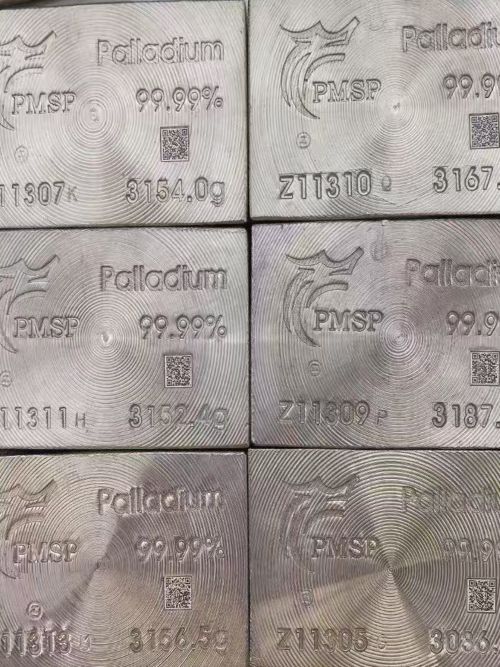
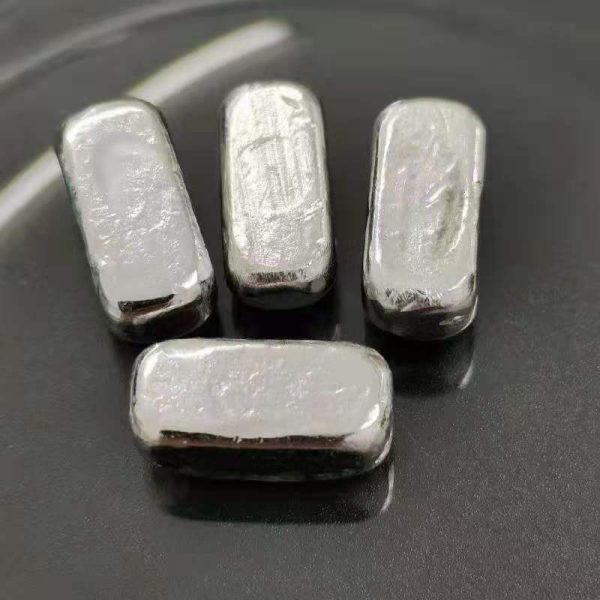
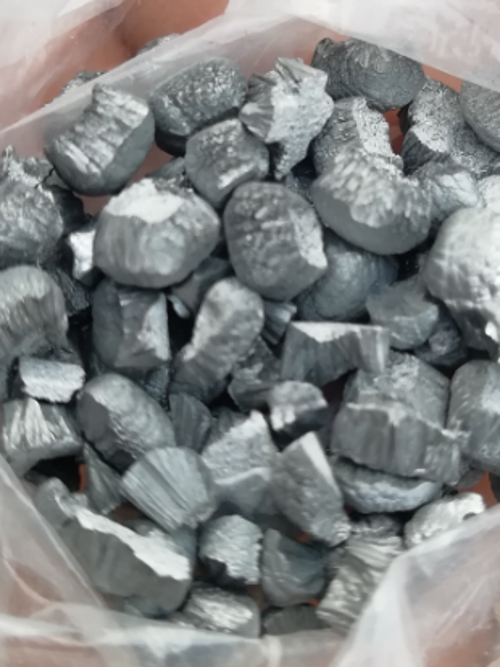
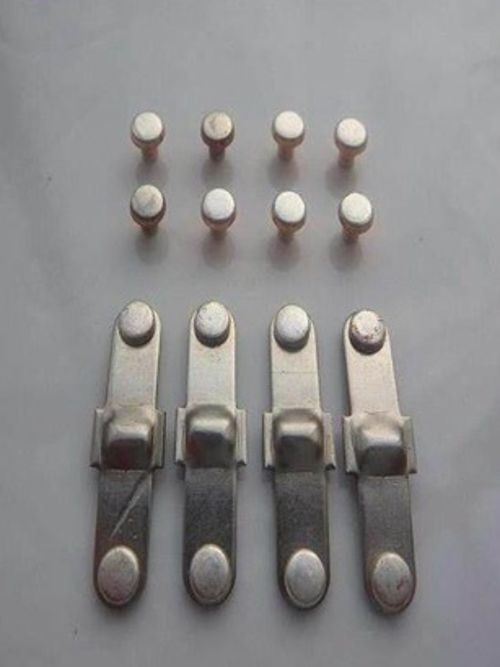
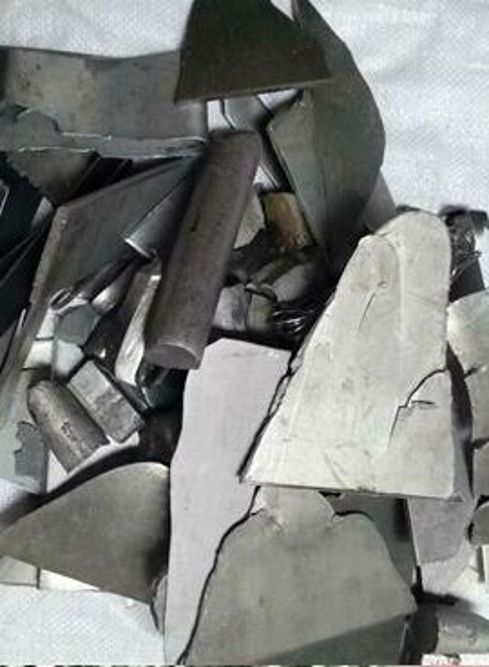
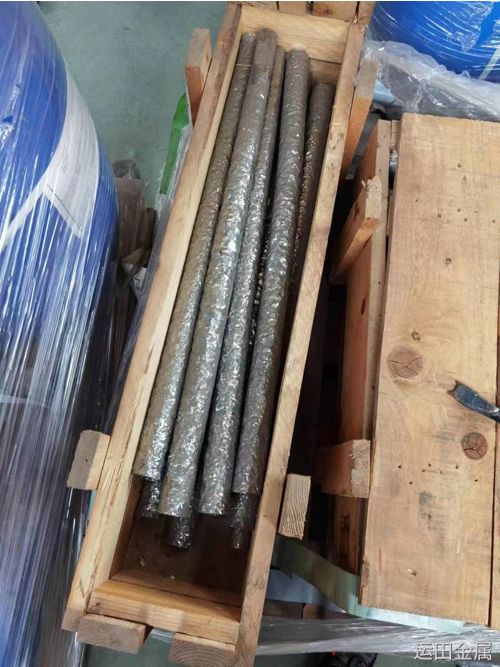
Shaoguan Yuntian Metal Materials Co., Ltd. vigorously recycles palladium and provides accurate pricing.



Reviews
There are no reviews yet.