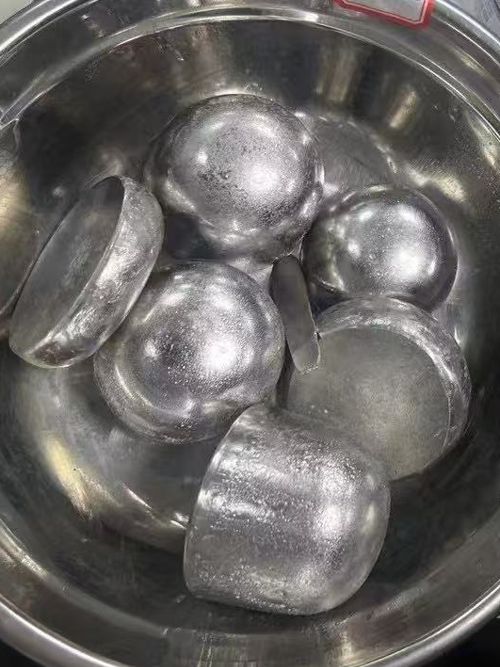
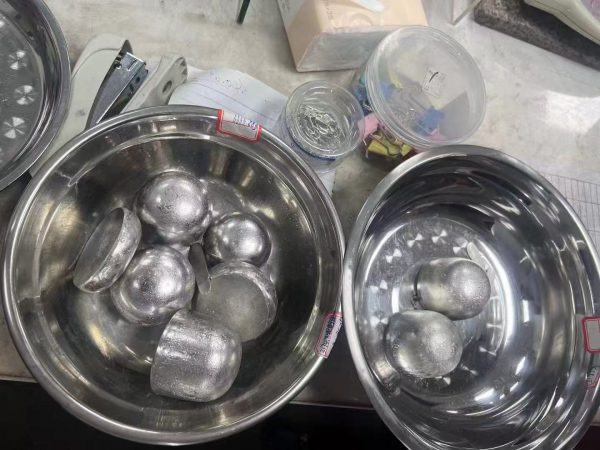
Iridium is a chemical element with the symbol Ir and atomic number 77. A rare, dense noble metal belonging to the platinum group metals (PGMs), it is renowned for its exceptional chemical inertness, extreme hardness, and high-temperature stability, making it invaluable in specialized industrial and scientific applications. Here’s a detailed overview:
- Physical Traits: One of the densest metals known (approximately 22.56 g/cm³, slightly exceeding osmium). It has an extremely high melting point (2446°C) and is hard yet brittle, making it difficult to machine at room temperature. It exhibits a silvery-white metallic luster.
- Chemical Stability: Iridium is among the most corrosion-resistant metals. It is unaffected by air, water, or most acids at room temperature—even aqua regia (a mixture of concentrated nitric and hydrochloric acids) does not dissolve it. It reacts only with molten alkalis or halogens under high temperatures.
Discovered in 1803 by English chemist Smithson Tennant while analyzing residues from platinum ore processing, iridium was identified alongside osmium. Its name, “iridium,” derives from the Greek goddess Iris (the personification of the rainbow), referencing the vividly colored compounds formed by the element.
- Natural Abundance: Extremely rare in Earth’s crust, with an average concentration of just ~0.001 parts per million (ppm). It rarely occurs in pure form, instead coexisting with other PGMs (e.g., platinum, osmium) in platinum ores, primarily found in deposits like South Africa’s Bushveld Igneous Complex.
- Extraction: Recovered as a byproduct of platinum mining. Isolation involves complex chemical separation processes (such as solvent extraction or ion exchange) to purify iridium from enriched PGM mixtures.
- High-Temperature Industries: Leveraging its heat resistance and inertness, iridium is used in rocket engine combustion chambers, high-temperature thermocouples, and spinnerets for glass fiber production.
- Catalysis: Iridium-based catalysts play a role in automotive exhaust systems (converting harmful pollutants) and chemical synthesis (e.g., methanol carbonylation reactions).
- Precision Instruments: Iridium-platinum alloys, valued for their stability, were once used in the international prototype of the meter (1889–1960) and kilogram. They also enhance the wear resistance of high-end fountain pen nibs.
- Radioisotopes: Iridium-192, a radioactive isotope, is used in industrial radiography (to detect flaws in metal welds) and cancer radiation therapy.
- Jewelry & Decor: Small amounts of iridium are alloyed with platinum or gold to increase hardness and durability, used in luxury jewelry.
- Toxicity: Metallic iridium is generally non-toxic, but iridium powders or compounds (e.g., iridium tetroxide) can be irritant; inhalation may pose health risks.
- Scarcity & Cost: Due to its rarity, iridium is extremely expensive (often surpassing gold) and its supply is tied to platinum mining output.
In summary, iridium’s unique combination of high-temperature resilience and corrosion resistance makes it irreplaceable in advanced technology and industry, while its scarcity underscores its value in both practical and economic contexts.


Reviews
There are no reviews yet.