

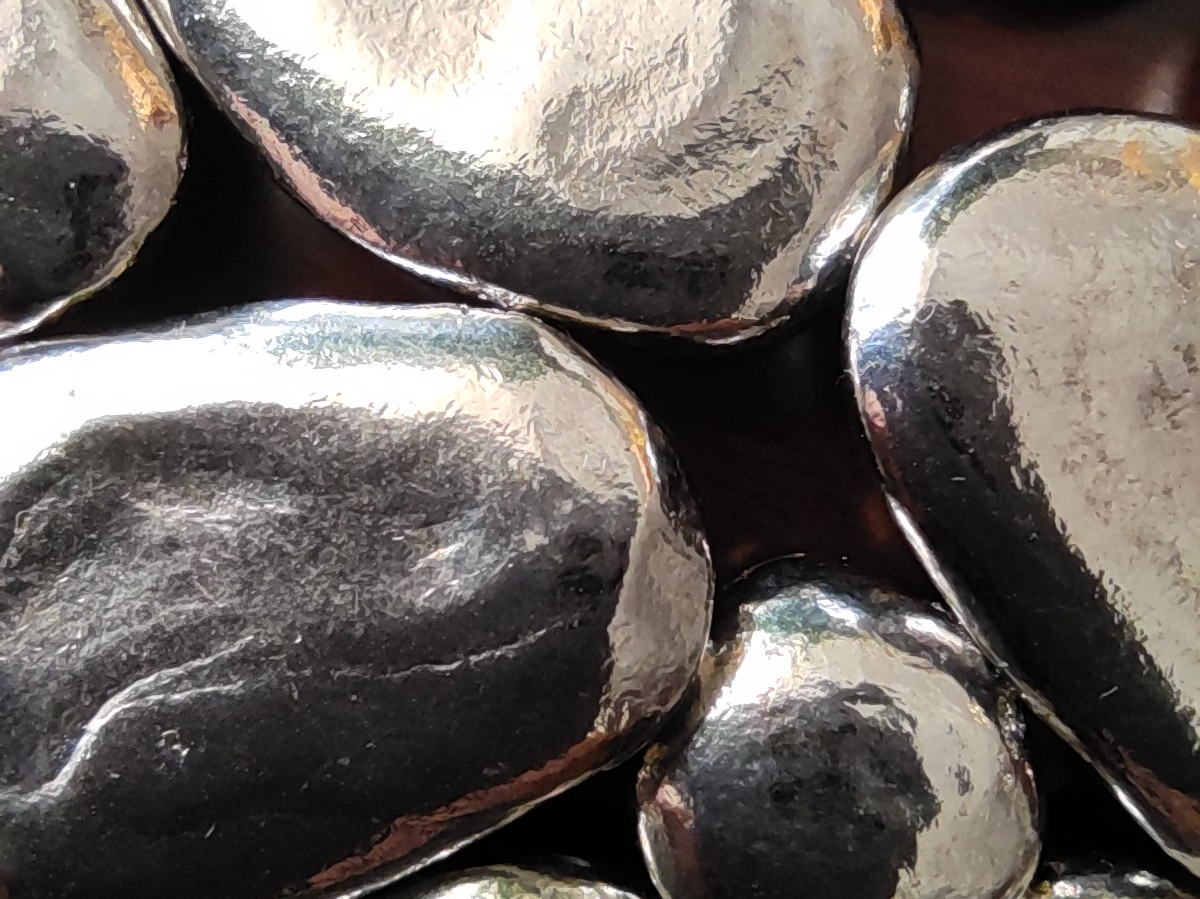
Physical and Chemical Properties of Ruthenium: An Overview
Abstract
Ruthenium (Ru) is a transition metal with distinctive physical and chemical properties, belonging to the platinum group metals (PGMs). Its high melting point (approximately 2334°C), hardness, and excellent electrical conductivity have attracted attention across various industrial and technological sectors. Chemically, ruthenium exhibits multiple oxidation states ranging from 0 to +8, with +2 and +3 being the most common. Its superior oxidation resistance and corrosion resistance make it widely used in electrical contacts, catalysts, and the electronics industry. With technological advancements, ruthenium’s role in materials science continues to grow.
- Physical Properties of Ruthenium
1.1 Density and Melting/Boiling Points
- Density: Ruthenium has a density of 12.37 g/cm³, somewhat lower than platinum but offering ideal physical characteristics for certain applications.
- Melting and Boiling Points: The melting point is about 2334°C and the boiling point around 4150°C. These high-temperature properties make ruthenium suitable for use under extreme conditions, such as in industrial alloys and high-temperature catalysis.
1.2 Mechanical Properties
- Hardness and Toughness: With a Mohs hardness exceeding 8.5, ruthenium is an excellent choice for wear-resistant materials. Its hardness also makes it suitable for manufacturing durable electrical contact materials.
- Ductility: Although naturally hard and brittle, ruthenium can exhibit necessary ductility under appropriate processing conditions, enabling its use in certain alloys and microstructured materials.
1.3 Electrical and Thermal Properties
- Electrical and Thermal Conductivity: Ruthenium’s good electrical conductivity and thermal conductivity make it a key material for electrical contacts and interconnection structures, especially critical for maintaining reliable performance in high-temperature electronics.
- Chemical Properties of Ruthenium
2.1 Oxidation States and Reactivity
- Stable Oxidation States: Ruthenium can exist in oxidation states from 0 to +8, with +2, +3, and +4 being the most prevalent. For example, ruthenium dioxide (RuO₂) has ruthenium in the +4 state and is commonly used in electronic electrodes and resistor materials.
- Chemical Stability and Reactivity: Ruthenium exhibits high corrosion resistance in air. It generally maintains good chemical stability under acidic and alkaline conditions but can slowly dissolve in certain strong acids.
2.2 Common Compounds
- Ruthenium Dioxide (RuO₂): Widely applied in the electronics industry for resistors and electrical contacts due to its excellent conductivity and corrosion resistance.
- Organoruthenium Complexes: Complexes such as Ru(bipy)₃²⁺ are extensively used in optical materials and chemical synthesis, demonstrating interesting photophysical and catalytic properties.
- Ruthenium-Platinum Alloys: Alloys formed with platinum are commonly employed in catalysts and electrical contacts, enhancing hardness and corrosion resistance.
- Extraction and Resources
3.1 Rarity and Geographic Distribution
Ruthenium is one of the rarest elements in the Earth’s crust, primarily found alongside nickel and platinum ores. Its extraction is complex and costly, with major deposits located in South Africa, Russia, and Canada.
3.2 Extraction Processes
Extracting ruthenium from platinum group metal ores requires a series of complex metallurgical processes including solvent extraction, electrolysis, and chemical separation. These steps are usually integrated with the refining of other platinum group metals, making economic processing a significant engineering challenge.
- Applications
4.1 Electronics and Electrical Industry
- Electrical Contacts and Connectors: Ruthenium’s excellent electrical conductivity and oxidation resistance make it widely used in high-reliability electrical contacts, ensuring long service life.
- Data Storage Technologies: Due to its magnetic and electrical properties, ruthenium serves as a critical magnetic layer component in hard drives and other data storage media, enabling high-density data storage solutions.
4.2 Catalyst Applications
- Chemical Catalysts: Ruthenium plays an important role as a catalyst in hydrogenation and oxygen synthesis reactions. It exhibits outstanding performance and efficiency in ammonia synthesis and Fischer-Tropsch synthesis.
- Photocatalysis and Electrocatalysis: Ruthenium compounds accelerate chemical reactions in photoelectrochemical materials, notably demonstrating high efficiency in water splitting and carbon dioxide reduction, thus advancing new energy technologies.
4.3 Materials Manufacturing and Alloys
- High-Temperature Alloys: Ruthenium-containing high-temperature alloys are suitable for aerospace and other extreme environments, enhancing material strength and corrosion resistance.
- Medical Devices: Ruthenium’s chemical stability facilitates its application in medical devices and biomedical materials, especially in biodegradable implants.
- Future Prospects and Challenges
5.1 Resource Scarcity
The rarity and high extraction costs of ruthenium constrain its application scope. Research and development of new extraction technologies and recycling methods are vital directions for addressing resource limitations.
5.2 Environmental Protection and Sustainability
Improving ruthenium recycling rates helps alleviate resource shortages and is crucial to reducing the environmental impact associated with mining.
5.3 Technological Innovation and Application Potential
Ruthenium holds great promise in materials science and new energy applications. Combined studies with other materials are expected to expand its application range and enhance industrial technological capabilities.
Conclusion
Ruthenium’s excellent physical and chemical properties make it a key material in multiple high-tech fields. Through advancements in extraction and application techniques, ruthenium will continue to play an important role in catalysis, electronics, materials science, and beyond. Despite challenges related to resource scarcity and cost, supported by technological innovation and resource management, ruthenium’s application potential remains vast and will increasingly contribute to future technological progress.
