

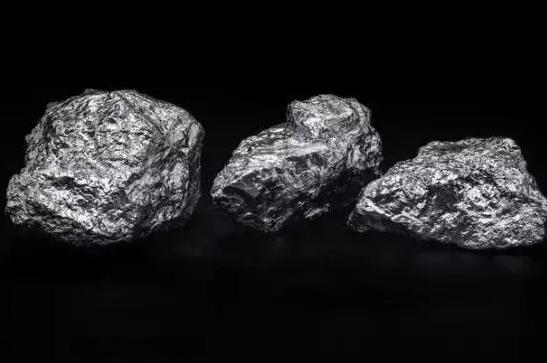
Physical and Chemical Properties of Osmium: Key Characteristics
Abstract
Osmium (Os), the 76th element in the periodic table, is renowned for its high density and hardness, ranking among the heaviest naturally occurring elements. Its physical properties include an exceptionally high density (approximately 22.59 g/cm³) and melting point (3033°C), conferring excellent stability under extreme conditions. Chemically, osmium exhibits relative inertness but forms various oxides, such as osmium tetroxide (OsO₄), when exposed to high temperatures or strong oxidizers. Its hardness and chemical resistance have facilitated applications in alloys, catalysts, and other high-tech fields.
- Fundamental Physical Properties of Osmium
1.1 Density and Hardness
- High Density: Osmium is distinguished by its very high density of about 22.59 g/cm³, making it one of the densest naturally occurring elements. This property makes it valuable in applications requiring high mass density, such as high-performance alloys and specialized equipment.
- Hardness: Osmium is relatively hard among metals, with a Vickers hardness ranging from approximately 350 to 400 HV, enhancing its effectiveness in alloy hardness enhancement.
1.2 Melting and Boiling Points
- Melting Point: With a melting point of 3033°C, osmium is suitable for use in materials or devices requiring high-temperature resistance.
- Boiling Point: Osmium boils at around 5027°C, also among the highest of metallic elements. Combined with its melting point, these properties make osmium particularly suitable for high-temperature environments.
1.3 Electrical and Thermal Conductivity
Osmium has relatively high electrical and thermal conductivities. Though these characteristics may not be prominent in conventional applications, they can be leveraged in certain high-temperature electrical contexts.
- Chemical Properties of Osmium
2.1 Chemical Reactivity
- Corrosion Resistance: At room temperature, osmium demonstrates significant corrosion resistance and remains inert in most acids and alkalis. It reacts only under strongly oxidizing conditions.
- Oxidation Behavior: At elevated temperatures, osmium reacts with oxygen to form osmium tetroxide (OsO₄), a volatile and highly toxic compound. Osmium exhibits oxidation states ranging broadly from +2 to +8, with +4 and +8 being most common.
2.2 Oxides and Complexes
- Osmium Tetroxide (OsO₄): The most characteristic osmium compound, OsO₄ is a powerful oxidizing agent frequently utilized in organic chemistry for hydroxylation reactions. As a volatile and toxic gas, OsO₄ readily adsorbs onto biological tissues, necessitating stringent handling and protective measures.
- Coordination Chemistry: Osmium forms a variety of coordination complexes, with its higher oxidation states enabling complex structures valuable in catalytic reactions.
- Additional Properties
3.1 Isotopes and Nuclear Characteristics
Osmium has seven naturally occurring isotopes, with Os-192 and Os-190 being the most abundant. Os-192 is the most stable isotope, while Os-187 is widely used in geochronology, particularly in osmium-rhenium dating.
3.2 Mechanical Properties
Osmium’s brittleness limits mechanical machining, but its alloys—especially those with iridium—exhibit excellent corrosion resistance and high-temperature performance.
- Applications of Osmium
4.1 Alloy Materials
High-performance alloys comprising osmium combined with other noble metals such as iridium and platinum are employed to produce wear-resistant and corrosion-resistant advanced components, including electrical contacts, nozzles, and pen tips.
4.2 Catalysts
Osmium compounds, owing to their strong oxidizing properties, are widely utilized as catalysts in petrochemical and organic synthesis processes, including ammonia oxidation and hydrogenation reactions.
4.3 Medical and Scientific Research
Osmium and its compounds provide unique insights in chemical and materials science research, particularly in high-intensity radiation applications and analytical chemistry.
- Safety and Environmental Impact
5.1 Health Considerations
Osmium tetroxide is highly toxic, and exposure—especially inhalation—can cause severe respiratory damage. Handling requires well-ventilated environments and strict adherence to safety protocols.
5.2 Environmental Impact
Releases of osmium compounds, especially volatile oxides, during industrial processes require strict control due to potential air quality concerns.
- Future Prospects and Challenges
6.1 Resource Scarcity
Osmium is among the rarest elements, primarily obtained as a byproduct from platinum-group metal ores. Its limited availability and extraction difficulties constrain its broader commercial application.
6.2 Technological Innovation
Ongoing research into novel materials and sustainable chemical processes may unlock further potential for osmium and its compounds, especially in green chemistry and energy-saving advanced materials.
Conclusion
Osmium’s unique physical and chemical properties enable it to play significant roles across various high-technology sectors. From its exceptional density and hardness to its complex chemical behavior, osmium offers rich opportunities for application and study. Nevertheless, its highly toxic oxides and limited resource availability restrict large-scale use. With advancing technologies and increasing demand for efficient, environmentally friendly materials, osmium’s catalytic and alloy applications hold promising avenues for deeper exploration and utilization.
