

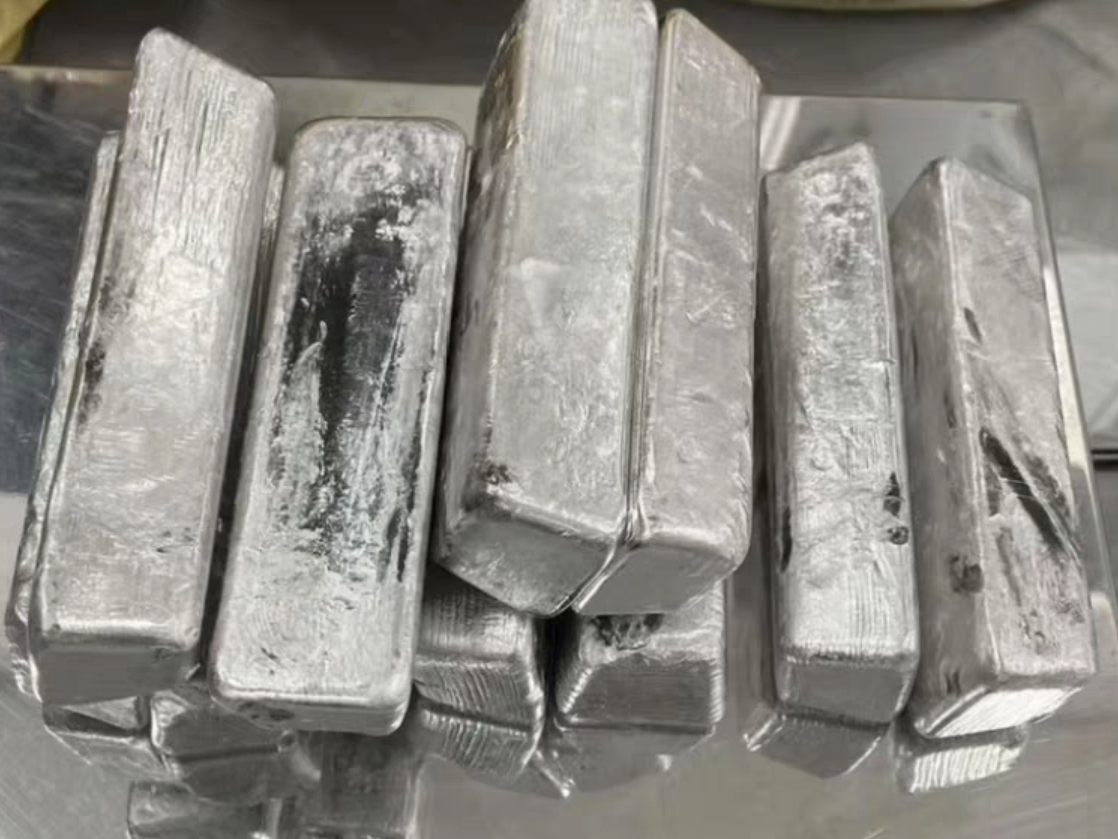
Indium Recycling: Evolving from a Cost Burden to a Strategic Asset
In recent years, industrial discourse has centered on display advancements, AI computing power, and new energy technologies. However, behind these rapidly evolving landscapes, a critical yet often overlooked question emerges: Can the long-term stability of key material supplies keep pace with the speed of technological change?
Among various strategic materials, indium stands out as perhaps the most typical and most underestimated example.
1. Ongoing Display Technology Evolution Underscores Stable Indium Demand
From smartphones and in-vehicle consoles to commercial large screens and industrial touch panels, display technology is continuously advancing towards larger sizes, higher resolutions, and more reliable performance. While new technologies like OLED and Micro-LED are emerging, ITO (Indium Tin Oxide) remains the most mainstream and mature solution for the core component: the transparent conductive layer.
Crucially, significant amounts of scrap, spent targets, and wastewater are generated during the processing of ITO targets, the coating process, and panel manufacturing itself. As display products become more advanced and manufacturing processes more complex, indium loss does not disappear—it merely becomes more dispersed and hidden. This means that the display industry’s upgrade not only fails to reduce its reliance on indium but, due to increased process precision and yield fluctuations, actually amplifies the value of indium recycling.
2. The AI Computing Boom Demands Higher Material Reliability
AI development not only drives increased chip computing power but also imposes stringent requirements on high-density packaging, advanced interconnects, and thermal management. In these areas, indium and its alloys are widely used in semiconductor packaging and thermal interface materials due to their excellent electrical conductivity, bonding properties, and thermal management performance.
As large-scale computing infrastructure deployment progresses, corporate focus is shifting from “single performance metrics” to the reliability and supply security of materials across their entire lifecycle. Primary indium ore resources are limited and geographically concentrated, making prices susceptible to policy and market volatility. Therefore, establishing a traceable and sustainable indium material supply chain has become a critical link in ensuring the long-term stable operation of AI infrastructure.
3. The New Energy Sector Reinforces Indium’s Strategic Nature
In photovoltaics, technologies like CIGS (Copper Indium Gallium Selenide) thin-film solar cells position indium as an indispensable material in the green energy transition. Unlike traditional industries, the new energy sector’s demands for critical materials extend beyond mere “availability” to emphasize long-term stability, cost control, and full lifecycle environmental compliance.
This shift is prompting a reevaluation of “resource” versus “waste” across the industrial chain. The indium-bearing waste generated during production is no longer a simple cost burden but a strategic reserve resource awaiting systematic recovery and reintegration into the production cycle.
4. From “Procurement Management” to “Resource Management”: An Evolving Corporate Mindset
An increasing number of leading companies are systematically examining their production chains: Is indium-bearing waste being properly collected and managed? Can stable return flows and efficient regeneration be achieved through long-term partnerships?
This mindset shift is driven by deeper considerations of supply chain resilience, cost control, and compliance risks. Professional, ongoing indium recycling partnerships are evolving from a supplementary activity to a “stabilizer” within the supply chain, offering significant value:
- Resource Consolidation: Reaggregating losses scattered across various stages into a controllable resource pool.
- Risk Hedging: Mitigating the impact of price and supply volatility in the primary indium market.
- Closed-Loop Building: Promoting the internal circulation of resources within the industry, enhancing supply chain autonomy.
5. Why Long-Term Recycling Partnerships Outweigh Sporadic Disposal
Short-term, fragmented recycling only addresses “waste disposal,” whereas long-term strategic collaboration enables:
- Continuously optimized recovery efficiency and extraction rates.
- Stable and reliable quality control and delivery assurance.
- Clear, traceable environmental and compliance records.
- Significant reduction in the Total Cost of Ownership (TCO).
As the display, AI, and new energy sectors expand simultaneously, companies that integrate recycling systems into their resource strategies often gain a competitive edge in cost control, supply chain security, and sustainable competitiveness.
Conclusion
Technology can iterate rapidly, but the material systems that underpin it require long-term cultivation. Though low-profile, indium tangibly influences the lifelines of multiple critical industries. In this era of technological sprint, these foundational materials, often overlooked, are precisely the cornerstone of industrial security.
Looking ahead, indium recycling is no longer an optional “supplementary measure” but a long-term strategic imperative that must be seriously integrated into supply chain management. Foresighted companies have already incorporated resource circulation into their core operational systems—and this is becoming the starting point for resilient growth in the new round of industrial competition.
In a global supply chain filled with uncertainty, establishing an autonomous, controllable, and sustainable circulation system for critical materials is not just a corporate responsibility, but wisdom for the future.
