

Environmental Advantages of Indium in Material Recycling
Abstract
The environmental advantages of indium recycling primarily lie in reducing pressure on resource extraction, lowering energy consumption, and promoting a circular economy. Recovering indium from waste electronic products, such as ITO (indium tin oxide) targets, significantly decreases environmental pollution caused by mining and smelting processes, including preventing water contamination and ecosystem degradation. Indium’s low melting point leads to lower energy consumption during recycling, while advanced techniques like hydrometallurgy further enhance recovery efficiency. Moreover, indium recycling facilitates closed-loop resource utilization, reduces electronic waste landfilling, and provides critical support for sustainable development.
1.Environmental Characteristics of Indium and Recycling Background
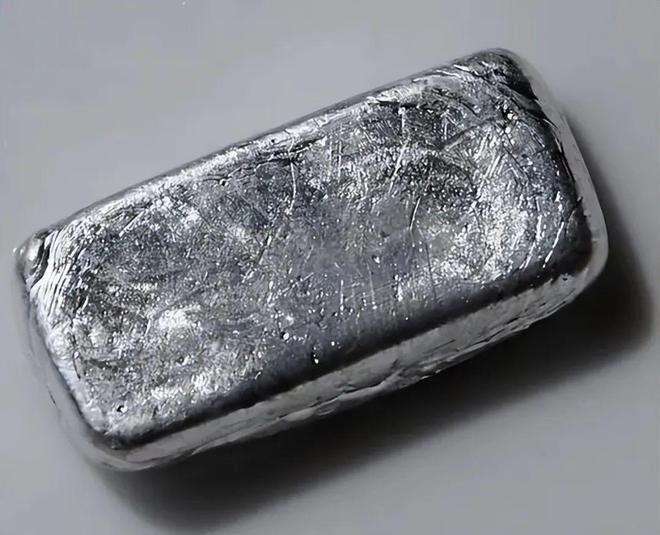
Indium, a rare metal, is widely used in high-tech fields including liquid crystal displays (LCDs), photovoltaic cells, and semiconductors. Its primary extraction and smelting involve high energy use and pollution, consuming substantial chemicals and fossil fuels, and potentially releasing toxic heavy metals. Therefore, recovering indium from waste materials is an important approach to alleviate environmental pressures.
1.1 Reducing Environmental Impact of Primary Mining
·Pollution Emission Reduction
Primary indium production, extracted as a byproduct from zinc ore refining, generates acidic wastewater and heavy metal dust that cause long-term soil and water pollution. Recycling indium can reduce mining-related pollution by over 90%, protecting ecosystem integrity.
·Resource and Energy Conservation
Recycling one ton of indium saves processing approximately 500 tons of ore and reduces energy consumption by 40% to 60%, significantly lowering carbon emissions.
1.2 Physical Basis for Low-Energy Recycling
Indium’s melting point is only 156.6°C, much lower than most metals, resulting in low energy requirements during melting in the recycling process. Combined with hydrometallurgical techniques such as acid leaching and electrolysis, indium can be efficiently extracted at ambient or moderate temperatures, further cutting energy demand.
2.Environmental Benefits of Indium Recycling
2.1 Promoting Circular Economy Practices
·Resource Recovery from Electronic Waste
Indium tin oxide (ITO) can be recovered from discarded LCD panels through crushing, dissolution, and purification processes, enabling indium reuse and reducing landfill volume. A single LCD panel contains approximately 0.5 to 1 gram of indium, making large-scale recycling highly beneficial.
·Building Closed-Loop Supply Chains
Countries like Japan have established closed-loop systems for ITO targets encompassing production, usage, recycling, and remanufacturing, raising indium resource utilization rates above 70% and decreasing reliance on primary resources.
2.2 Technological Innovations Enhancing Environmental Efficiency
·Optimization of Hydrometallurgy
Selective dissolution of indium using a sulfuric acid–hydrogen peroxide system achieves recovery rates exceeding 95%, with treated wastewater meeting discharge standards.
·Improvements in Pyrometallurgy
Vacuum distillation separates indium from other metals, avoiding harmful gases generated by traditional smelting, and is suitable for processing highly alloyed waste materials.
2.3 Socio-Environmental Synergies
·Reducing Ecological Damage
Indium recycling helps prevent deforestation and habitat loss caused by mining, which is especially significant in biodiversity-rich mining regions such as the Andes Mountains in Peru.
·Promoting Green Employment
The recycling value chain creates jobs in sorting, dismantling, and purification, facilitating regional economic transitions toward low-carbon development.
3.Challenges and Future Directions
Despite clear advantages, indium recycling faces challenges including low indium concentration in electronic waste (typically below 0.1%) and complex impurity separation. Future breakthroughs may focus on:
·Nanotechnology Applications: Developing indium nanoparticle-based adsorbents to improve recovery from low-concentration waste;
·Policy Support: Enhancing regulations on electronic waste sorting and mandating recyclability labeling for indium-containing products;
·International Cooperation: Establishing global indium recycling networks to balance supply, demand, and environmental goals.
Conclusion
The environmental benefits of indium recycling extend beyond direct pollution and energy reductions to enabling sustainable resource cycles that support high-tech industries. With ongoing technological advancements and deepening circular economy policies, indium recycling will become a core component of green manufacturing, contributing to the dual goals of carbon neutrality and ecological conservation.
