

Applications of Indium in Battery Manufacturing
Abstract
Indium is a soft metal with a low melting point that finds specific applications in battery manufacturing. Its primary uses include lithium-ion batteries and thin-film solar cells. As an alloying material in lithium-ion batteries, indium helps improve energy density and cycle life. Additionally, indium serves as a transparent conductive oxide in solar cells, enhancing their efficiency and stability. Thanks to its high electrical conductivity and chemical stability, indium is a critical material for advancing battery technologies.
- Fundamental Properties and Advantages of Indium
1.1 Physicochemical Characteristics
1.1.1 Basic Properties
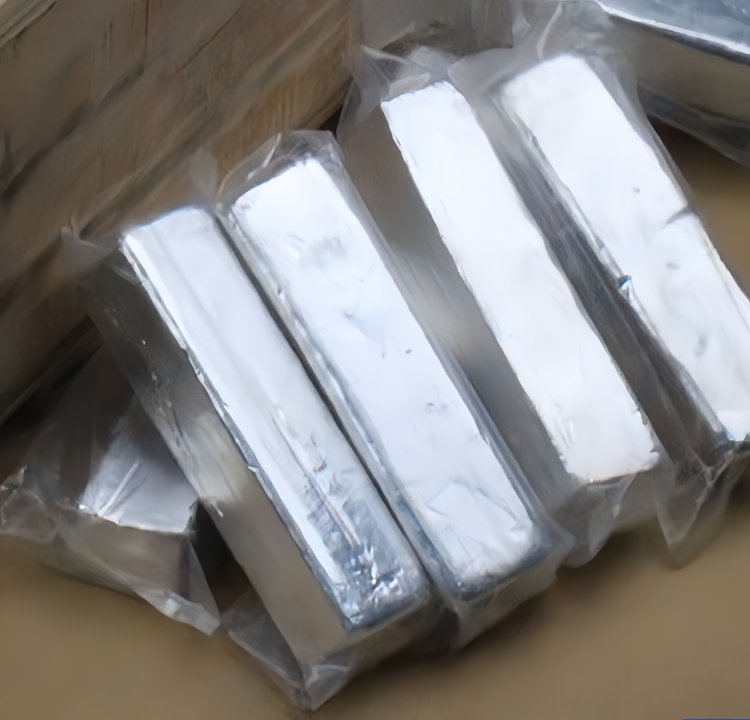
Indium is a silvery-white metal characterized by high ductility and a low melting point of 156°C. These physical attributes make it suitable for various alloy compositions that provide excellent electrical conductivity.
1.1.2 Chemical Stability
Indium exhibits good chemical stability in air and water, which supports its long-term durability in battery chemical environments without significant degradation.
1.2 Electronic Properties
1.2.1 Electrical Conductivity
Indium is a good conductor of electricity with relatively high electron mobility, enabling stable current flow within batteries.
1.2.2 Corrosion Resistance
Its chemical stability and corrosion resistance ensure batteries maintain high efficiency and durability during charge-discharge cycles.
- Applications of Indium in Lithium-Ion Batteries
2.1 Alloy Materials
2.1.1 Alloy Fabrication
Indium combines with other metals such as tin and gallium to form alloys used as anode materials in lithium-ion batteries. The use of indium alloys effectively enhances battery capacity and lifespan.
2.1.2 Modified Anode Design
Indium-modified anodes deliver high energy density and mitigate limitations associated with traditional carbon anodes. Indium helps reduce volume changes during charge-discharge processes, improving cycle stability.
2.2 Enhancement of Electrode Performance
2.2.1 Energy Density Optimization
Indium-based alloys increase the battery’s energy storage capability without significantly altering the battery volume, thereby optimizing energy density.
2.2.2 Extension of Cycle Life
Indium anodes facilitate efficient current transport and exhibit corrosion resistance, prolonging battery service life and making them suitable for long-term energy storage applications.
- Applications of Indium in Solar Cells
3.1 Transparent Conductive Oxides
3.1.1 Indium Tin Oxide (ITO)
Indium forms indium tin oxide (ITO) when combined with tin. ITO is widely used as a transparent electrode layer in solar cells, offering high transparency and excellent electrical conductivity.
3.1.2 Enhancement of Cell Efficiency
The application of ITO in solar cells significantly improves photoelectric conversion efficiency, supporting sustained high output performance.
3.2 Chemical Stability and Structural Performance
3.2.1 Stability Support
ITO’s long-term stability enables solar cells to operate effectively under various environmental conditions, reducing degradation risks of photovoltaic modules.
3.2.2 Structural Optimization
Leveraging indium’s properties allows for optimized solar cell designs that ensure durability and enhanced photoelectric performance.
- Future Prospects for Indium Battery Technologies
4.1 Technological Innovation and Development
4.1.1 New Material Research
Ongoing innovations in indium-based alloys and compounds will continue to enhance battery energy density and cost-effectiveness, serving as key breakthroughs in battery technology.
4.1.2 Integration with Green Energy
The expanding use of indium aligns with green energy systems, supporting renewable energy technologies and promoting environmentally friendly battery solutions.
4.2 Challenges and Opportunities
4.2.1 Resource Availability and Cost
Indium is a scarce and costly resource. Achieving economical production and widespread application remains a significant challenge but also drives technological innovation.
4.2.2 Sustainable Development
Indium’s role in batteries will grow alongside renewable energy demand. Improving recycling rates and reducing environmental impact will contribute to sustainable development.
Conclusion
With its unique physical and chemical properties, indium’s application in battery manufacturing is transforming traditional energy storage methods. Innovative uses in lithium-ion and solar batteries enhance performance and lifespan, offering new directions for future energy technologies. As technological advances and resource management improve, indium will continue to play a vital role in the battery sector, providing critical support for energy efficiency enhancement and green power development.
