

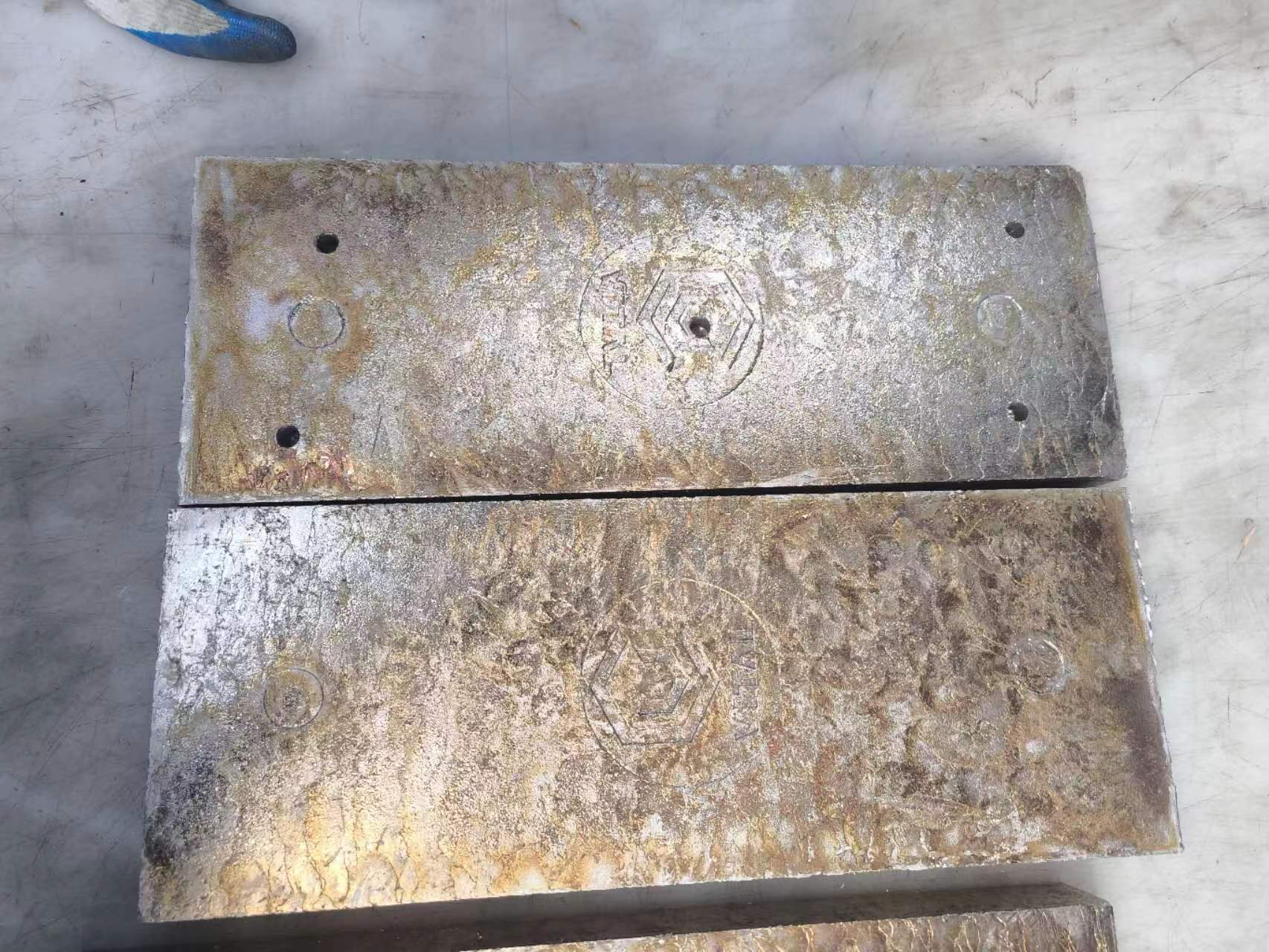
Application and Prospects of Plasma Technology in Bismuth Recovery
Abstract
Plasma technology significantly enhances the recovery efficiency and purity of bismuth (Bi) through high-temperature ionization and selective reduction. Typical applications include: (1) radio-frequency (RF) plasma treatment (50 kW power) of electronic waste containing bismuth, achieving over 98% Bi volatilization with condensate purity reaching 99.5%; (2) arc plasma melting of lead-bismuth alloys, improving separation efficiency by 40% and reducing energy consumption by 35%; (3) low-temperature plasma oxidation for removal of organics such as epoxy resin, avoiding dioxin pollution associated with conventional incineration. This technology can process low-grade waste (Bi content ≥ 0.5%) and reduce recovery costs by 28% compared with hydrometallurgical methods. Future integration with green electricity supply and intelligent controls is expected to promote industrial-scale bismuth resource recycling.
- Technical Challenges in Bismuth Recovery and Advantages of Plasma Technology
1.1 Characteristics of Bismuth Resources and Recovery Difficulties
- Complex material sources: Major sources include lead-bismuth alloys (10–30% Bi), electronic solder waste (0.5–5% Bi), and medical waste (Bi₂O₃ 15–50%), often mixed with Pb, Sn, Cu and other metals.
- Bismuth compounds (e.g., Bi₂S₃, BiOCl) exhibit diverse thermal stabilities; traditional pyrometallurgy produces significant Bi₂O₃ dust emissions (loss rate >15%).
- Environmental pressures: Hydrometallurgical recovery generates nitrate-containing wastewater (due to HNO₃ leaching), with treatment costs accounting for 40% of operating expenses.
1.2 Core Advantages of Plasma Technology
- High energy density: Plasma temperatures reach 5000–15000 K, instantly breaking chemical bonds to enable efficient metal volatilization and separation.
- Strong reaction controllability: Adjusting gas composition (Ar/H₂/O₂ ratios) and power parameters allows selective separation of bismuth from other metals such as Pb and Cu.
- Key Applications of Plasma Technology in Bismuth Recovery
2.1 RF Plasma Volatilization and Purification
- Process design: Electronic waste crushed below 1 mm is fed into a 13.56 MHz RF reactor, where Bi and its oxides volatilize in Ar plasma above 1200°C and condense on water-cooled walls for collection.
- Performance data: Pilot tests by Aurubis in Germany report bismuth recovery of 98.7% with purity of 99.5%, and energy consumption of 12 kWh/kg Bi, a 45% reduction compared to rotary kiln processes.
2.2 Arc Plasma Melting and Separation
- Lead-bismuth alloy processing: Arc plasma (500 A current) melts Pb-Bi alloy (25% Bi), and graded cooling from 800°C to 300°C achieves liquid phase separation with Bi phase purity of 99.2%.
- Impurity control: Addition of Na₂CO₃ flux adsorbs Cu, As and other impurities, limiting Bi loss in slag to less than 0.5%.
2.3 Low-Temperature Plasma Pretreatment
- Organic removal: Dielectric barrier discharge (DBD) plasma at 5 kW decomposes epoxy resin in electronic waste; after 30 minutes treatment, organic residues fall below 0.1%, preventing dioxin formation in subsequent high-temperature steps.
- Surface activation: Oxygen plasma treatment enhances metal particle surface energy, increasing acid leaching extraction of bismuth from 75% to 92%.
- Techno-Economic and Environmental Benefits
3.1 Cost Comparison
- Investment: A plasma plant with 200 tons/year capacity costs approximately USD 8 million to build, 20% higher than a comparable hydrometallurgical facility, but with 35% lower operating costs.
- Recovery benefits: Processing electronic waste containing 1% Bi yields net profit of about USD 150 per ton (Bi price USD 14/kg), with payback period under 4 years.
3.2 Environmental Performance
- Emission reduction: No nitrate wastewater generated; heavy metal dust emissions controlled by bag filters and activated carbon adsorption achieve Bi concentrations below 1 mg/m³, surpassing EU BAT standards.
- Carbon footprint: Under green power operation, carbon emissions per kg of recycled Bi are 3.2 kg CO₂-eq, a 62% reduction compared to pyrometallurgical methods (8.5 kg CO₂-eq).
- Technical Challenges and Innovation Directions
4.1 Engineering Bottlenecks
- Electrode lifespan: Tungsten electrodes corrode at 0.3 mm/h in high-temperature Bi vapor; development of TaC-coated electrodes is needed to reduce corrosion below 0.05 mm/h.
- Continuous production: Design of dual-chamber rotary plasma reactors to enable continuous feed, reaction, and slag discharge, increasing throughput to 500 kg/h.
4.2 Intelligent Control Upgrades
- Online spectral monitoring: LIBS sensors embedded in plasma torches measure Bi/Pb vapor ratios with ±0.1% accuracy, dynamically adjusting power and gas flow.
- Digital twin modeling: COMSOL-based coupled plasma temperature and mass transport simulations optimize reactor geometry, further increasing Bi recovery by 5%.
4.3 Green Process Integration
- Hydrogen plasma reduction: Replacing Ar with H₂ as plasma gas enables direct reduction of Bi₂O₃ to metallic Bi with conversion rates above 99%, avoiding CO₂ emissions from carbon reduction.
- Waste heat cascading utilization: 2000°C exhaust gases drive ORC generators and supply steam heat, raising system energy efficiency from 40% to 65%.
- Industry Application Prospects
5.1 Electronic Waste Recycling
- Target market: Over 500,000 tons of bismuth-containing electronic waste generated globally per year; plasma technology can extract 12,000 tons Bi annually, worth approximately USD 170 million.
- Typical case: Belgium’s Umicore employs combined plasma and hydrometallurgical processes, achieving 99.1% overall Bi recovery with 99.99% electronic-grade purity.
5.2 Lead-Acid Battery Upgrading and Recycling
- Pb-Bi separation demand: New-generation Pb-Bi batteries (5% Bi) upon disposal can be efficiently processed by plasma melting to recover Bi with over 97% yield, supporting closed-loop supply chains.
- Policy drivers: China’s “Regulations on Recycled Lead Industry” mandate Bi recovery rates ≥ 95%, incentivizing technology upgrades.
Conclusion
Plasma technology provides an efficient, low-carbon solution for bismuth recovery through high-temperature volatilization, selective separation, and green reduction. Key challenges remain in electrode materials and continuous production. With integration of green energy and intelligent controls, recovery costs could be further reduced by 30%. As electronic waste volumes grow and environmental regulations tighten, plasma technology is poised to become the core process in bismuth resource recycling, driving high-quality development of the circular economy industry chain.
