Platinum (chemical symbol: Pt, atomic number: 78) is a rare, dense, and highly valuable transition metal belonging to the platinum group metals (PGMs), which also includes palladium, rhodium, ruthenium, iridium, and osmium. Renowned for its exceptional resistance to corrosion, high melting point, and versatile catalytic properties, it plays a critical role in industry, jewelry, and advanced technologies. Here’s a detailed overview:
- Physical Traits: A lustrous, silvery-white metal with a high density (21.45 g/cm³, denser than gold) and exceptional malleability—one gram can be stretched into a wire over 2 kilometers long. It has a very high melting point (~1,772°C) and boiling point (~3,827°C), making it stable under extreme temperatures.
- Chemical Behavior: Chemically inert at room temperature, resisting oxidation, acids (except aqua regia, a mix of nitric and hydrochloric acid), and most corrosive substances. This stability is key to its use in harsh environments. It forms compounds with oxygen, halogens, and sulfur at high temperatures but remains unreactive in most everyday conditions.
Platinum was first used by pre-Columbian civilizations in South America, who worked it into artifacts. European explorers encountered it in the 16th century but initially dismissed it as a “worthless silver” due to its resistance to melting. The name derives from the Spanish platina, meaning “little silver.” It was formally identified as a distinct element in the 18th century by scientists like Antonio de Ulloa and William Brownrigg.
- Natural Abundance: Extremely rare, with an average crustal concentration of ~0.005 parts per million (ppm)—about 30 times rarer than gold. It occurs naturally as a free metal or alloyed with other PGMs, often in sulfide ores (e.g., pentlandite) or placer deposits (eroded particles in rivers).
- Major Sources: South Africa dominates global production (accounting for ~70%), followed by Russia, Canada, and Zimbabwe.
- Extraction: Mining involves crushing ore and using froth flotation to concentrate PGMs. Refining uses chemical processes (e.g., dissolution in aqua regia, solvent extraction) to separate platinum from other metals, yielding purity levels up to 99.99%.
- Automotive Catalysis: The largest use (~40% of global demand) is in catalytic converters, where platinum (often with palladium and rhodium) converts harmful exhaust gases (carbon monoxide, nitrogen oxides) into less toxic substances (carbon dioxide, nitrogen, water).
- Jewelry: Valued for its luster, durability, and hypoallergenic properties, platinum is a premium material for high-end jewelry (often alloyed with iridium or ruthenium for hardness). It is marked with purity stamps like “Pt950” (95% platinum).
- Chemical Industry: A critical catalyst in processes like petroleum refining (cracking heavy oils into fuels), nitric acid production (via the Ostwald process), and the synthesis of fertilizers and pharmaceuticals.
- Electronics: Used in electrical contacts, sensors, and electrodes (e.g., in fuel cells, where it catalyzes hydrogen oxidation) due to its conductivity and resistance to corrosion.
- Medicine: Found in medical devices (e.g., pacemaker electrodes) for its biocompatibility. Platinum-based drugs like cisplatin are used to treat various cancers, interfering with cancer cell DNA replication.
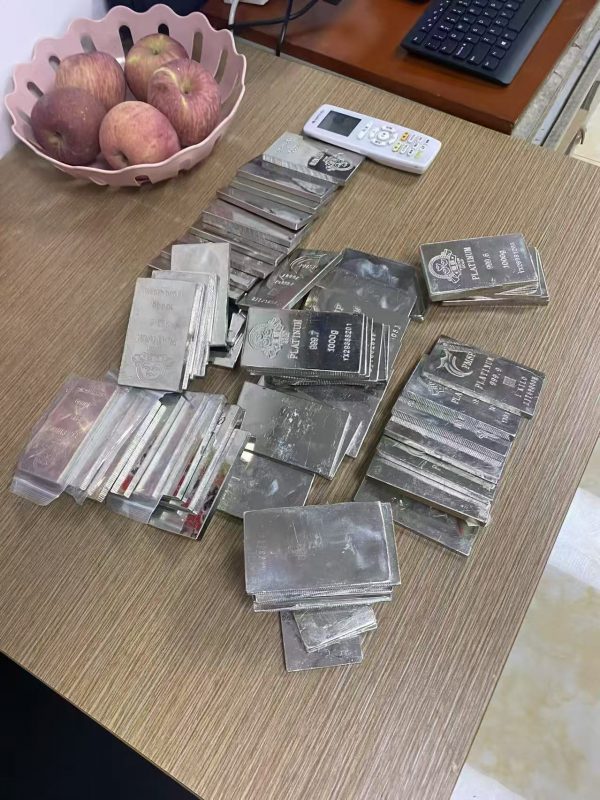
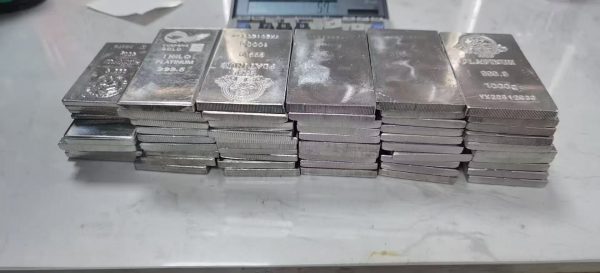
- Investment: Traded as a precious metal (bullion, coins) alongside gold and silver, serving as a hedge against inflation.
- Scarcity & Price: Its rarity and high demand make platinum one of the most expensive metals, with prices often exceeding gold. Supply is vulnerable to geopolitical factors (e.g., mining disruptions in South Africa).
- Recycling: Given its value, recycling from spent catalytic converters, jewelry, and industrial waste is critical to supplementing primary production.
- Toxicity: Metallic platinum is inert and non-toxic, but some platinum compounds (e.g., chlorides) can be toxic or cause allergic reactions.
In summary, platinum’s unique combination of chemical stability, catalytic activity, and physical durability makes it indispensable in modern industry, healthcare, and luxury markets, despite its challenges of scarcity and cost.


Reviews
There are no reviews yet.