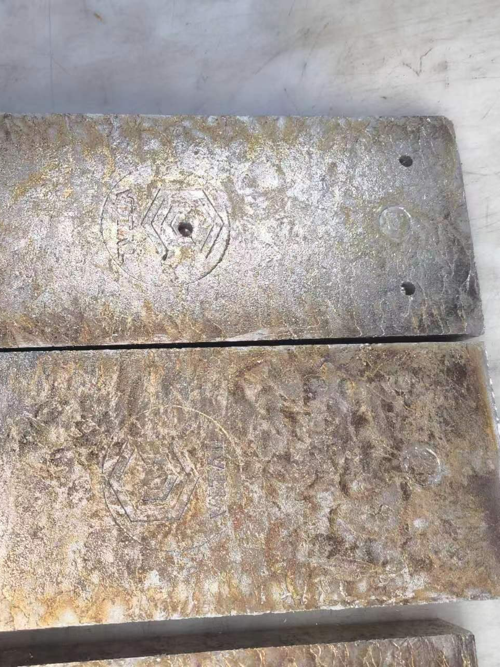
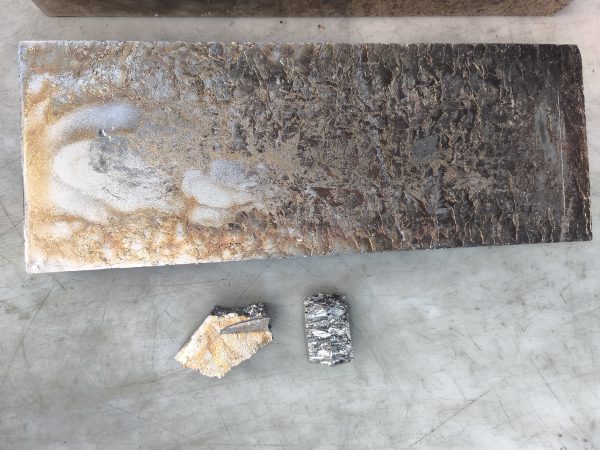
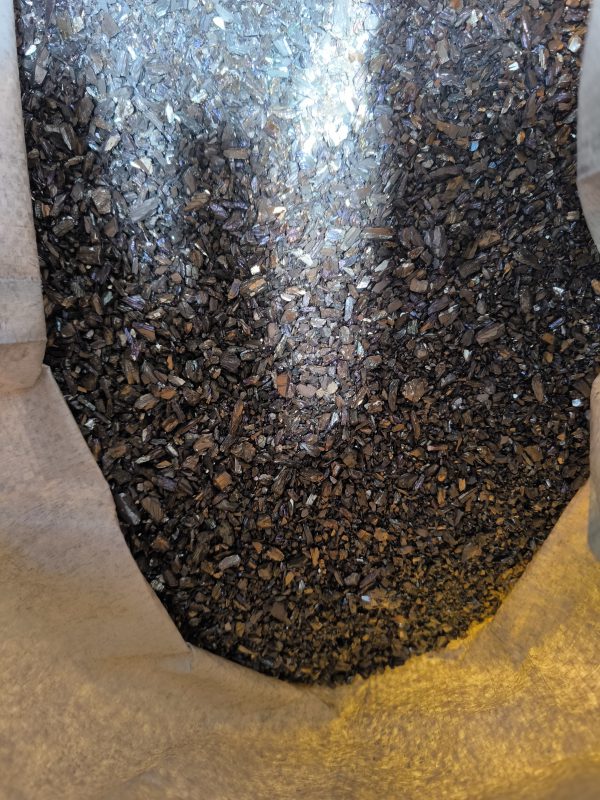
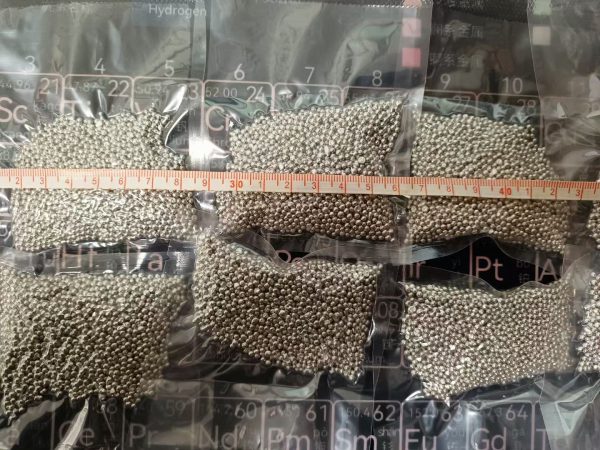
Bismuth (chemical symbol: Bi, atomic number: 83) is a brittle, crystalline post-transition metal known for being the heaviest stable element (though its most common isotope has an extremely long half-life, making it effectively stable). It exhibits unique physical and chemical properties, and its low toxicity has made it a valuable substitute for lead in many applications. Here’s a detailed overview:
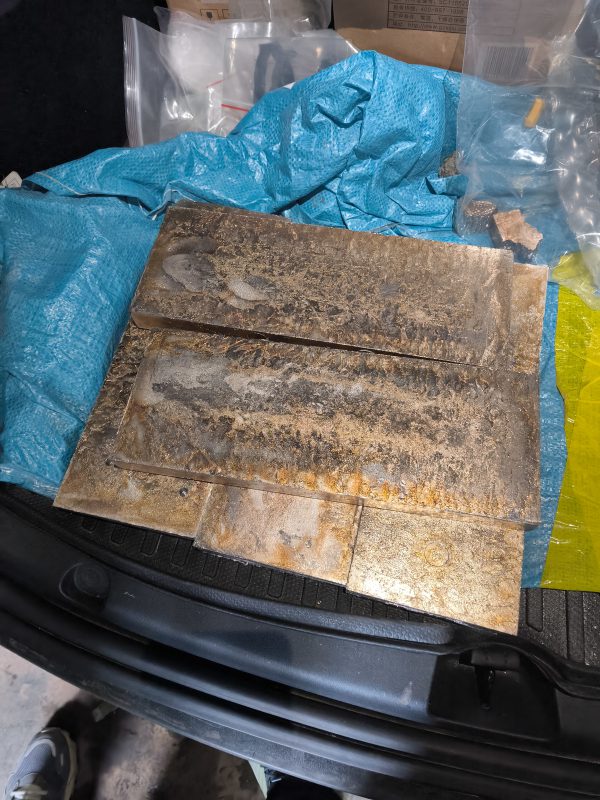
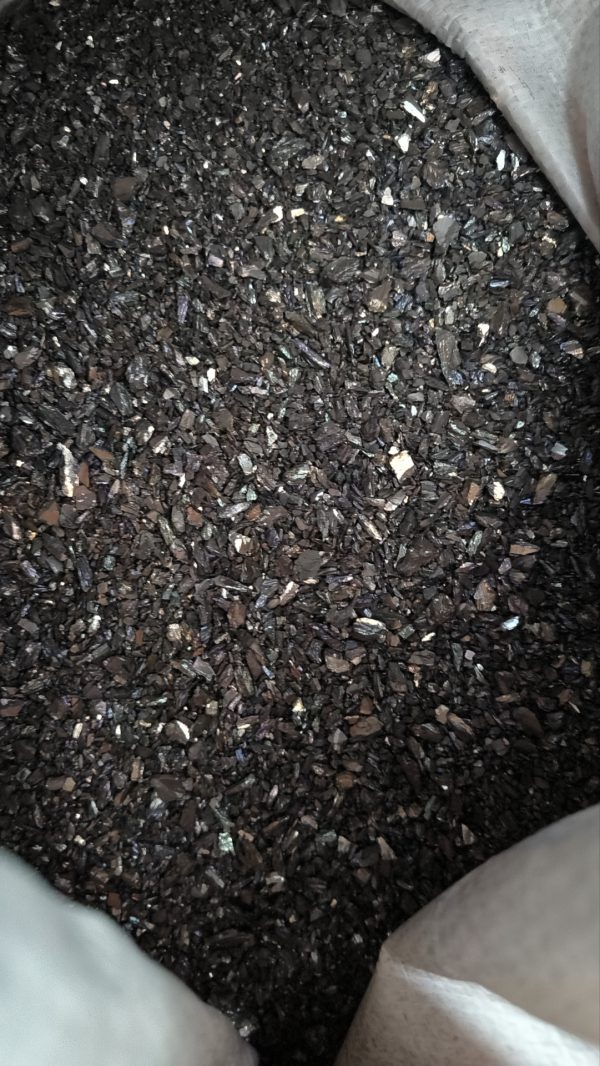
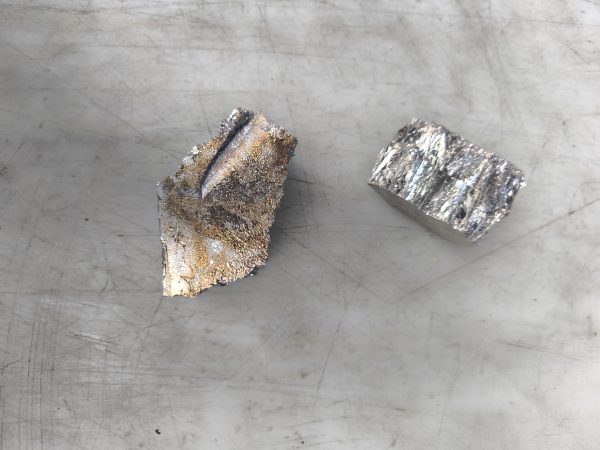
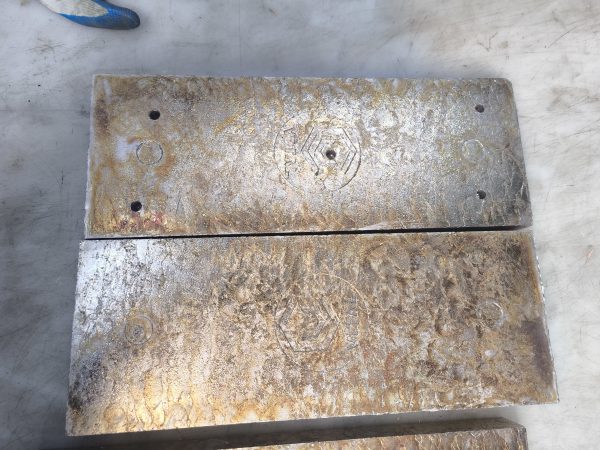
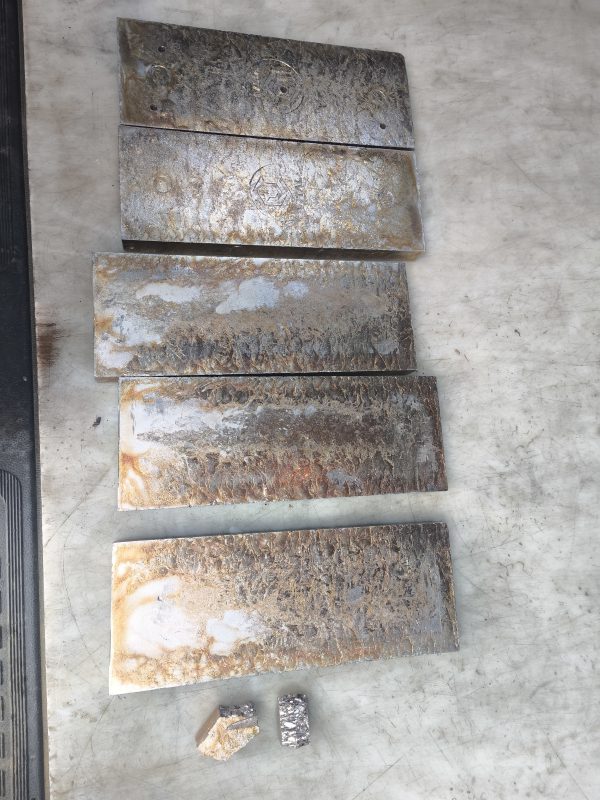
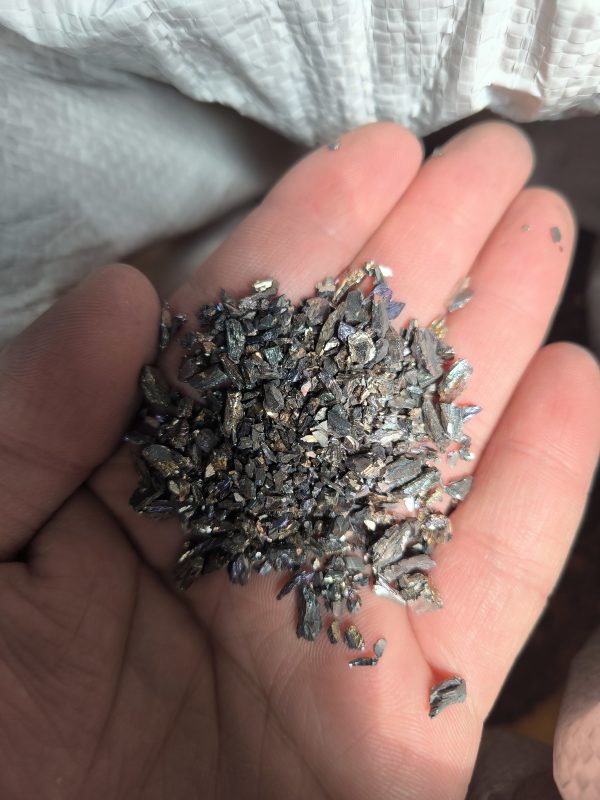
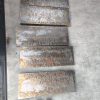
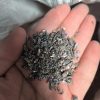
- Physical Traits: A silvery-white metal with a pinkish tinge, often appearing iridescent when exposed to air due to a thin oxide layer that reflects light in rainbow hues. It is brittle and easily crushed into powder. Key metrics: density (~9.78 g/cm³), low melting point (~271.4°C, one of the lowest among metals), and a boiling point of ~1,560°C. A rare feature is its expansion when solidifying (about 3.3% volume increase), a property shared by few metals (most contract when cooling).
- Chemical Behavior: Relatively inert at room temperature. It resists oxidation in air but forms a protective oxide film (Bi₂O₃) that prevents further corrosion; this film is responsible for its characteristic rainbow coloring. It reacts slowly with dilute acids but is resistant to alkalis. At high temperatures, it combines with oxygen, sulfur, and halogens to form compounds like bismuth trioxide (Bi₂O₃) and bismuth chloride (BiCl₃).
Bismuth has been known since ancient times, often confused with lead, tin, or antimony due to similar appearances. Its name derives from the German Wismut (likely from Old High German wis meaning “white” and mut meaning “ore”). It was formally recognized as a distinct element in the 18th century, with French chemist Claude François Geoffroy establishing its uniqueness in 1753.
- Natural Abundance: Rare in Earth’s crust (~0.008 parts per million), but more abundant than silver or gold. It occurs naturally as the native metal (pure form) or in ores like bismuthinite (Bi₂S₃) and bismite (Bi₂O₃). It is typically mined as a byproduct of lead, copper, tin, or zinc extraction.
- Major Sources: China dominates global production (over 80%), followed by Peru, Mexico, and Canada.
- Extraction: Ores are processed via smelting or leaching to separate bismuth. Purification uses techniques like zone melting to achieve high purity (up to 99.999%).
- Lead Substitute Alloys: Due to its low toxicity, bismuth replaces lead in alloys for safety-critical uses:
- Low-melting alloys (e.g., with tin, cadmium, or indium) melt at 50–200°C, used in fire sprinklers, solders, and mold casting.
- Ammunition: “Bismuth shot” avoids lead contamination in hunting, safe for game meat and the environment.
- Medicine:
- Bismuth subsalicylate (active ingredient in Pepto-Bismol) treats diarrhea, indigestion, and stomach ulcers by inhibiting bacterial growth (e.g., Helicobacter pylori).
- Bismuth compounds are used in topical antiseptics and wound dressings.
- Cosmetics & Pigments: Bismuth oxychloride (BiOCl) and bismuth vanadate (BiVO₄) provide pearlescent or bright yellow pigments in makeup (foundations, eyeshadows) and paints.
- Electronics & Energy:
- Used in semiconductors (e.g., bismuth telluride, Bi₂Te₃, a thermoelectric material for cooling devices or power generation from heat).
- In batteries and fuses due to its stable electrical properties.
- Nuclear Industry: Bismuth’s high density and low neutron absorption make it useful as a coolant or shield in some nuclear reactors.
- Toxicity: Metallic bismuth is nearly non-toxic (safer than lead or mercury), but some soluble compounds (e.g., bismuth nitrate) can be harmful in large doses, causing kidney issues.
- Sustainability: Its role as a lead substitute supports eco-friendly practices, reducing heavy metal pollution.
- Mythology & Culture: Historically, bismuth was used in alchemy, and its iridescent crystals are prized in mineral collecting for their striking appearance.
In summary, bismuth’s unique combination of low toxicity, unusual physical properties, and chemical stability has made it indispensable in green technologies, healthcare, and everyday products, solidifying its role as a versatile and environmentally friendly metal.


Reviews
There are no reviews yet.