

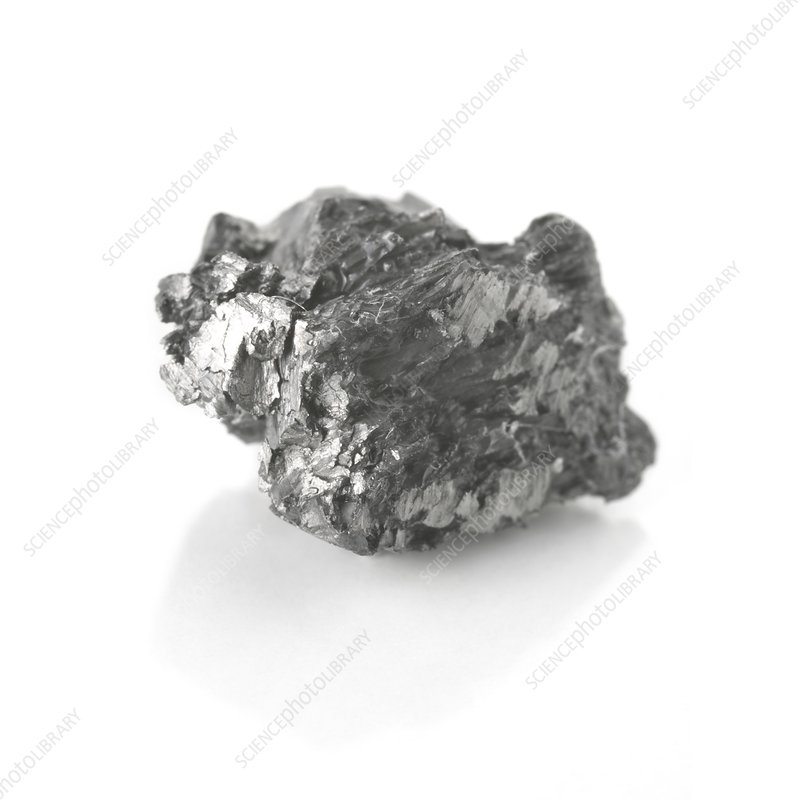
Report on Safety Management Specifications for the Storage and Transportation of Terbium Products

Executive Summary
This report systematically outlines the physicochemical properties, hazard classification, packaging requirements, transportation specifications, and storage conditions for metallic terbium and its compounds, based on the mandatory national standard GB 39176-2020 “Packaging, Marking, Transport and Storage of Rare Earth Products” and relevant chemical safety data. The report aims to provide a technical basis for safety management for enterprises involved in the production, trade, and use of terbium products, ensuring that all links in the supply chain comply with national regulatory requirements.
I. Physicochemical Properties and Hazard Classification of Terbium
1.1 Basic Physical Properties
| Item | Specification |
|---|---|
| CAS No. | 7440-27-9 |
| Molecular Formula | Tb |
| Molecular Weight | 158.925 |
| Melting Point | 1356°C |
| Boiling Point | 3230°C |
| Density | 8.234 g/cm³ |
| Appearance | Silver-gray solid (ingot, lump, or powder) |
Source: Lingyuan Chemical Database
1.2 Hazard Classification
According to the “Regulations on Classification and Labeling of Chemicals” and international transport regulations:
| Classification Item | Specific Information |
|---|---|
| Hazard Code | F (Flammable), T (Toxic) |
| Risk Phrases | R11 (Highly flammable), R23/24/25 (Toxic by inhalation/in contact with skin/if swallowed), R34 (Causes burns) |
| UN Number | UN 3089 (Powder form) |
| Hazard Class | Class 4.1 (Flammable Solids) |
1.3 Stability and Reactivity
- Sensitive to moisture; must be stored in a dry environment.
- Highly flammable in powder form; may cause combustion or explosion when exposed to open flames or high heat.
- Reacts violently with halogens (chlorine, bromine, iodine) and strong acids.
II. Packaging Requirements
According to GB 39176-2020 “Packaging, Marking, Transport and Storage of Rare Earth Products”:
2.1 General Packaging Principles
- Packaging shall ensure that the product does not become loose, damp, dry, corroded, or leak during transport and storage.
- Products of the same grade, specification, and condition shall be placed in the same packaging unit.
- If mixed packaging is necessary, different products must be bundled, packed, and marked separately.
2.2 Packaging Materials
- Inner Packaging: Polyethylene blown film (GB/T 4456) or biaxially oriented polypropylene film (GB/T 10003).
- Outer Packaging: Boxes, barrels, or bags that comply with the regulations of the carrier.
- Fillers: Fixing materials such as shredded paper inside the container to prevent movement.
2.3 Packaging Unit
The weight and dimensions of each packaging unit shall comply with the carrier’s regulations.
III. Marking Requirements
According to GB 39176-2020 and GB 190 “Packing Symbol of Dangerous Goods”:
- Dangerous goods packaging marks must be affixed to the outer surface of the packaging.
- Handling and storage pictorial markings shall comply with GB/T 191 regulations.
- Markings shall include: product name, grade, net weight, production date, manufacturer, hazard class, and warning statements.
Special markings for powdered terbium packaging: “Highly Flammable,” “Moisture Sensitive,” “Keep Away from Open Flames.”
IV. Transport Requirements
4.1 Transport Classification
| Product Form | UN Number | Hazard Class | Packing Group |
|---|---|---|---|
| Terbium Powder | UN 3089 | 4.1 | II/III |
| Terbium Ingot/Block | – | Non-dangerous Goods* | – |
Note: Some suppliers may classify ingot forms as “non-dangerous goods.” The specific form must be confirmed prior to transport.
4.2 Transport Precautions
- Vehicles shall be equipped with fire-fighting equipment and spill response kits.
- Do not mix with oxidizing agents, acids, or halogens during transport.
- Protect from direct sunlight, rain, and high temperatures.
- Handle with care to prevent package damage.
V. Storage Requirements
5.1 Environmental Conditions
| Item | Requirement |
|---|---|
| Warehouse Type | Dedicated warehouse, cool, dry, and well-ventilated. |
| Temperature Control | Ambient temperature, preferably not exceeding 30°C. |
| Humidity Control | Dry environment; recommended relative humidity <50%. |
| Packaging Seal | Maintain strict seal to prevent moisture absorption. |
5.2 Fire and Explosion Prevention
- Keep away from ignition sources and heat; smoking is strictly prohibited.
- Use explosion-proof lighting and ventilation equipment.
- The use of tools that may generate sparks is prohibited.
5.3 Segregation Requirements
- Do not store with oxidizing agents, acids, halogens, water, or water-containing substances.
- Maintain a safe distance from combustible materials.
- Powdered terbium should be stored separately.
5.4 Special Measures
- For long-term storage, inert gas (argon) protection is recommended.
- Periodically inspect packaging for seal integrity.
VI. Emergency Response
6.1 Spill Management
- Eliminate ignition sources and evacuate personnel.
- Wear protective equipment and use non-sparking tools for collection.
- Dispose of collected material as hazardous waste.
6.2 Fire Fighting
- Use dry powder extinguishers or dry sand.
- DO NOT use water, foam, or carbon dioxide (CO₂) extinguishers.
VII. Safety Requirements for Terbium Compounds
| Compound | Standard | Hazard Characteristics |
|---|---|---|
| Terbium Fluoride (TbF₃) | XB/T 241-2023 | Packaging, transport, and storage must refer to this standard. |
| Terbium Nitrate (Tb(NO₃)₃·6H₂O) | UN 1477 | Class 5.1 Oxidizer; strictly prohibited from mixing with combustible materials. |
VIII. Conclusion
The safe storage and transportation of terbium products must strictly comply with the mandatory national standard GB 39176-2020 “Packaging, Marking, Transport and Storage of Rare Earth Products.” Enterprises should establish a comprehensive Safety Data Sheet (SDS) management system to ensure that every step—from packaging and marking to transport and storage—meets regulatory requirements and mitigates safety risks.
