

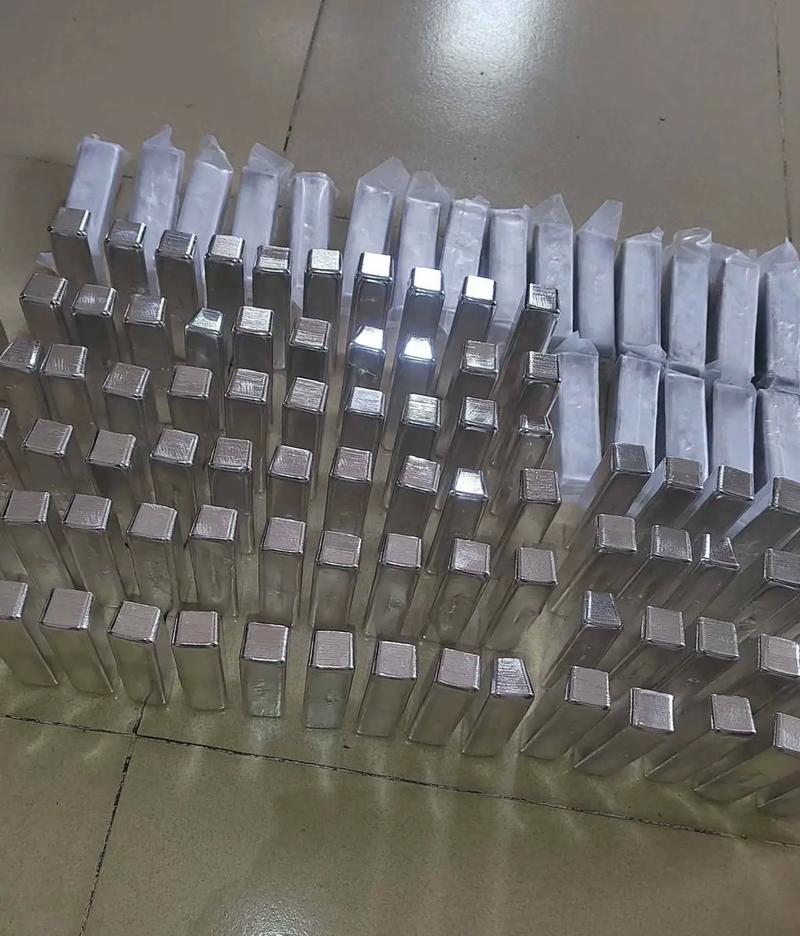
Indium Metal Recycling: A Critical Resource for Green Technology and the AI Revolution

With the surging demand for AI and electronic devices, indium resources are becoming increasingly scarce. Recycling indium from discarded electronics, photovoltaic (PV) panels, and industrial waste has emerged as a crucial solution—not only reducing mining costs but also advancing the future of green technology.
As global demand for high-tech products continues to rise, indium supply pressures intensify. Consequently, indium recycling has become a vital strategy, particularly in the context of rapid advancements in AI and electronics. This article explores indium scarcity, the importance of recycling, and its potential in future technologies, with a focus on AI-driven demand.
1. Indium Recycling: A Key Solution to Resource Scarcity
Indium is primarily obtained as a byproduct of zinc mining, but its limited natural reserves and high extraction costs lead to significant price volatility. To address this, recycling indium has become an effective way to secure supply. By recovering indium from discarded electronics, PV panels, and industrial waste, we can:
- Reduce dependence on primary mining
- Lower extraction costs
- Enhance resource sustainability
2. Indium Recovery from E-Waste
The rapid turnover of electronic devices has made e-waste a major source of indium. Notably, indium tin oxide (ITO), a transparent conductive film, is widely used in:
- LCD screens
- Flat-panel TVs
- Smartphones
Globally, millions of tons of e-waste are generated annually, containing significant amounts of recoverable indium.
Recycling Process:
- Physical dismantling – Mechanical separation of indium-rich components (e.g., display panels).
- Chemical extraction – Solvent-based recovery of indium from processed materials.
Challenges & Prospects:
- Current methods face low recovery rates and high costs.
- However, advancements in recycling tech promise improved efficiency.
3. Indium Recovery in the Photovoltaic Industry
Indium plays a crucial role in thin-film solar cells, particularly copper indium gallium selenide (CIGS), which offer high photovoltaic efficiency. As solar panels reach the end of their lifespan, recycling indium from PV waste is essential for:
- Minimizing resource waste
- Supporting green energy sustainability
Current Recycling Methods:
- High-temperature processing
- Chemical dissolution
With ongoing improvements in PV recycling, indium recovery from solar panels is expected to grow in importance.
4. Indium Recovery from Industrial Waste
Beyond e-waste and PV panels, industrial processes (e.g., semiconductor manufacturing, soldering) generate significant indium-containing waste. Recycling these materials can:
- Enhance indium utilization efficiency
- Reduce industrial waste
Many high-tech manufacturers are now prioritizing indium recycling, promoting circular economy practices.
Conclusion: The Future of Indium Recycling
As a critical metal for modern technology, indium’s scarcity and rising demand pose challenges for global innovation and the green economy. By recovering indium from e-waste, PV panels, and industrial byproducts, we can:
✅ Alleviate supply shortages
✅ Lower production costs
✅ Advance sustainable tech development
Future Outlook:
- AI-driven demand will further accelerate indium recycling innovations.
- Circular economy models will play a pivotal role in securing indium supply chains.
