

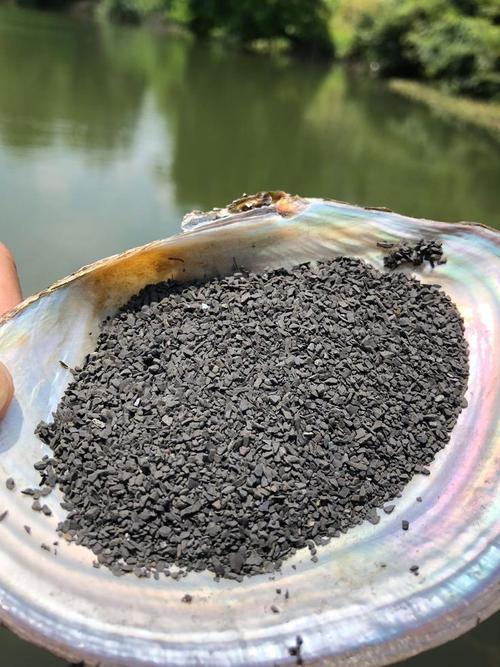
“Crude Selenium Recycling” Suddenly Goes Viral: Most People Don’t Realize This Is Becoming the New “Profit Goldmine”

“Black, unrefined selenium is now skyrocketing in value—transforming from industrial waste into a ‘new goldmine’! Breakthroughs in purification technology have slashed costs while boosting purity, and booming demand from photovoltaics, semiconductors, and other industries means recycling crude selenium can net millions in extra annual profits. With policy support, high margins, and low barriers to entry, this sector is exploding. Early movers will capture the biggest rewards.”
The Underestimated Treasure: Crude Selenium
In metal smelting, chemical, and electronic materials industries, crude selenium has long been treated as “scrap.” Its dull, black appearance led many to assume it was worthless. But few realize its market value is quietly surging—some businesses now earn hundreds of thousands to millions extra yearly just by recycling it.
Why has this unassuming byproduct suddenly become a hot commodity? Let’s break it down.
01 From “Waste” to “Goldmine”: The Rise of Crude Selenium
Selenium is a rare, scattered metal with limited natural reserves and challenging extraction. While crude selenium contains impurities and inconsistent concentrations, its selenium content is pure value.
In the past, smelters sold crude selenium to recyclers for meager profits. But today, skyrocketing demand for high-purity selenium from:
- Photovoltaics (CIGS thin-film solar cells),
- Semiconductors,
- New energy, and
- Pharmaceuticals
has turned crude selenium into a strategically scarce resource.
Key takeaway:
Crude selenium is no longer scrap—it’s a high-value feedstock.
02 The Tech Behind the Transformation
Why the sudden price surge? Purification tech advancements have been game-changing:
- Hydrometallurgical leaching
- Photocatalytic sedimentation
- Biological reduction
- Electrolytic refining
- High-temperature distillation
Purifying crude selenium from 90% to 99.9% purity used to cost tens of thousands—now it’s 50% cheaper.
And here’s the kicker: Selenium’s value multiplies exponentially with purity. A slight increase can mean 5x–10x price jumps. That’s why savvy companies are pivoting to crude selenium recycling as a profit powerhouse.
03 Market Boom: Crude Recycling Is the “Hottest Opportunity”
Advanced material industries—especially CIGS solar cells, semiconductors, and optoelectronics—are driving insane demand for selenium.
The rule:
The more high-tech the industry, the more it craves selenium.
And since high-purity selenium comes from refining crude selenium, those who master recycling tech stand to reap massive rewards.
Three groups racing into this space:
- Smelters: Why sell crude selenium when you can refine it yourself?
- Material suppliers: Cutting procurement costs and securing supply chains.
- Third-party recyclers: Profiting from processing fees as demand soars.
This isn’t a question of if the sector will grow—it’s how fast you can act.
04 Why Crude Selenium Recycling Matters (Key Insights)
Four reasons this sector is attracting attention:
1️⃣ High Profit Margins
- Crude Se → Electrolytic Se → High-Purity Se
- Each step adds value.
2️⃣ Government Backing
- Policies favor circular economy, green manufacturing, and resource recovery.
3️⃣ Low Entry Barriers
- Companies can outsource refining without building their own plants.
4️⃣ Early-Mover Advantage
- The market isn’t saturated—now is the time to seize the opportunity.
05 For Those Paying Attention: The Window Is Open
From what I’ve seen, more businesses are waking up to a truth:
Crude selenium isn’t trash—it’s an undervalued strategic metal.
Unlike gold, its obscurity means early entrants can dominate. By learning about crude selenium recycling now, you’re already ahead of the curve.
Want to dive deeper?
Follow me for exclusive insights on:
- Crude selenium recycling,
- Precious metal refining,
- Rare metal market trends, and more.
Stay ahead in this high-growth, high-reward sector.
Final Thought:
“That black, ‘worthless’ crude selenium? It’s now the hidden gem of the resource world—and the clock is ticking for those who want a piece.”
