

Main Chemical Properties of Selenium

Abstract
Selenium (Se) is a nonmetallic element exhibiting diverse chemical properties, with widespread applications in industry, electronics, and biology. Its common oxidation states include -2, 0, and +4, with the +4 state frequently occurring in selenium dioxide (SeO₂). Selenium forms various compounds such as hydrogen selenide and selenates, demonstrating significant chemical reactivity. Selenium possesses excellent performance in photoelectric applications, especially in photosensitive devices and solar cells. Its antioxidant properties have attracted attention in biological systems, where selenium plays an essential role as a trace element.
- Basic Characteristics of Selenium
1.1 Elemental Background
1.1.1 Overview
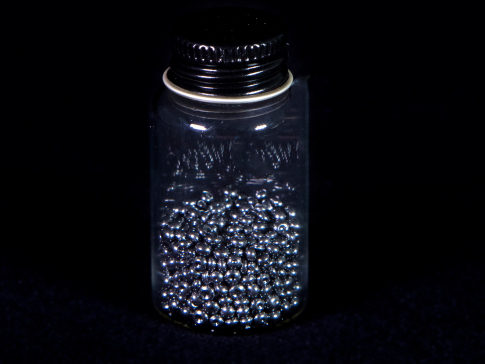
Selenium belongs to Group VI of the periodic table, symbolized as Se with atomic number 34. It appears gray and is a nonmetal prone to reacting with various substances.
1.1.2 Natural Occurrence
Selenium is found in the Earth’s crust, typically occurring as selenides or sulfides within ores such as copper and lead minerals. Certain plants and animals also contain measurable amounts of selenium.
1.2 Physical Properties
1.2.1 Morphological Forms
Selenium exists in multiple allotropes, including gray crystalline and red powder forms, each exhibiting slightly different physical characteristics.
1.2.2 Electrical and Thermal Conductivity
Selenium’s electrical conductivity is highly temperature-dependent, and its resistivity varies with light intensity—an important property underpinning its use in photoelectric applications.
- Chemical Properties of Selenium
2.1 Oxidation States
2.1.1 Common Oxidation States
The most prevalent oxidation states of selenium are -2, 0, and +4. In the -2 state, selenium forms selenides, which function as negatively charged ions and are commonly used in semiconductor materials.
2.1.2 Higher Oxidation States
Under specific conditions, selenium can exhibit a +6 oxidation state, as seen in selenic acid (H₂SeO₄), representing a strong oxidizing form.
2.2 Compound Formation
2.2.1 Hydrogen Selenide (H₂Se)
An important selenium compound, hydrogen selenide is a colorless gas analogous to hydrogen sulfide, characterized by strong acidity, reducing properties, and a pungent odor.
2.2.2 Selenium Dioxide (SeO₂)
The most common selenium oxide, SeO₂ is a potent oxidizer widely used in chemical synthesis and industrial catalytic processes.
2.2.3 Selenates
Selenates are high oxidation state selenium compounds that combine with metal cations to form salts such as sodium selenate. These stable compounds are significant in industrial applications.
2.3 Redox Behavior
2.3.1 Reducing Properties
Selenium compounds like hydrogen selenide readily release hydrogen gas in acidic media, exhibiting strong reducing characteristics valuable in reduction reactions and organic synthesis.
2.3.2 Oxidizing Properties
Selenic acid and its salts act as strong oxidizing agents in synthetic reactions, frequently employed in chemical laboratories and manufacturing processes.
- Applications of Selenium
3.1 Photoelectric and Electronic Devices
3.1.1 Photosensitive Devices
Selenium’s photoconductivity makes it a key material in photoelectric devices, particularly in photoconductors and photo-relays, where its photoelectric response enables precise electronic control.
3.1.2 Solar Cells
Selenium and its compounds are widely utilized in thin-film solar cells, where their excellent light absorption and charge transport properties underpin promising developments in renewable energy.
3.2 Biochemistry and Medicine
3.2.1 Antioxidant Agent
Within biological systems, selenium serves as an antioxidant, crucial for protecting cell membranes and regulating enzyme activity. It is widely used in dietary supplements and pharmaceuticals.
3.2.2 Anticancer Potential
Selenium compounds possess potential anticancer properties; studies indicate that adequate selenium intake may reduce the risk of certain cancers, making it a significant focus in medical research.
3.3 Industrial and Chemical Synthesis
3.3.1 Catalysts in Synthesis
Selenium compounds frequently act as catalysts in organic synthesis, showing high efficiency in both oxidation and reduction reactions.
3.3.2 Material Enhancement
Selenium is used to improve material properties, for example, in modifying plastics and rubber to increase product durability and stability.
- Selenium Recycling and Environmental Impact
4.1 Resource Recovery
Selenium primarily originates from copper mining and petroleum refining byproducts, making resource recovery vital. Separation and purification technologies effectively extract selenium, reducing production costs and minimizing resource waste.
4.2 Environmental Effects and Management
Selenium significantly impacts ecosystems, especially where mining elevates soil and water selenium concentrations. Intelligent treatment and environmental management help maintain ecological balance and reduce pollution hazards.
- Future Prospects and Trends
5.1 Development of New Technologies
Advancements in nanotechnology and materials science promise further breakthroughs for selenium in high-performance materials, particularly in biomedicine and green energy sectors.
5.2 Sustainable Development
Achieving sustainable selenium industry development requires comprehensive management of extraction and recycling processes, leveraging artificial intelligence and automation to minimize environmental impact.
5.3 Innovation and Application Expansion
Through scientific research and industrial investment, selenium’s innovative applications are expected to broaden, ranging from advanced electronic devices to dynamic consumer technologies.
Conclusion
As a multifunctional element, selenium’s rich chemical properties make it indispensable in modern science and industry. Its outstanding performance in photoelectric, medical, and chemical synthesis applications positions selenium as a foundational material for expanding future uses. With continuous improvement in production processes and emerging technologies, selenium will continue to provide sustainable and innovative solutions for human applications.
