

Physical and Chemical Properties of Rhodium: Key Characteristics

Abstract
Rhodium (Rh) is a rare precious metal renowned for its outstanding physical and chemical properties, making it highly valued across various high-technology applications. Physically, rhodium is characterized by its high reflectivity, high melting point (1964°C), and exceptional corrosion resistance. Chemically, it exhibits stability and low reactivity with multiple oxidation states, most commonly +3. Rhodium is primarily used in automotive catalytic converters, electroplating, and electronic components. Its unique properties render it an indispensable resource in both scientific research and industrial applications.
- Physical Properties of Rhodium
1.1 Density and Melting Point
- Density: Rhodium has a density of 12.41 g/cm³, placing it mid-range among precious metals. This high density contributes to excellent mechanical performance in certain applications.
- Melting and Boiling Points: With a melting point around 1964°C, rhodium remains stable under extreme high temperatures. Its boiling point is approximately 3695°C, enhancing its suitability for high-temperature processing and applications.
1.2 Mechanical Properties
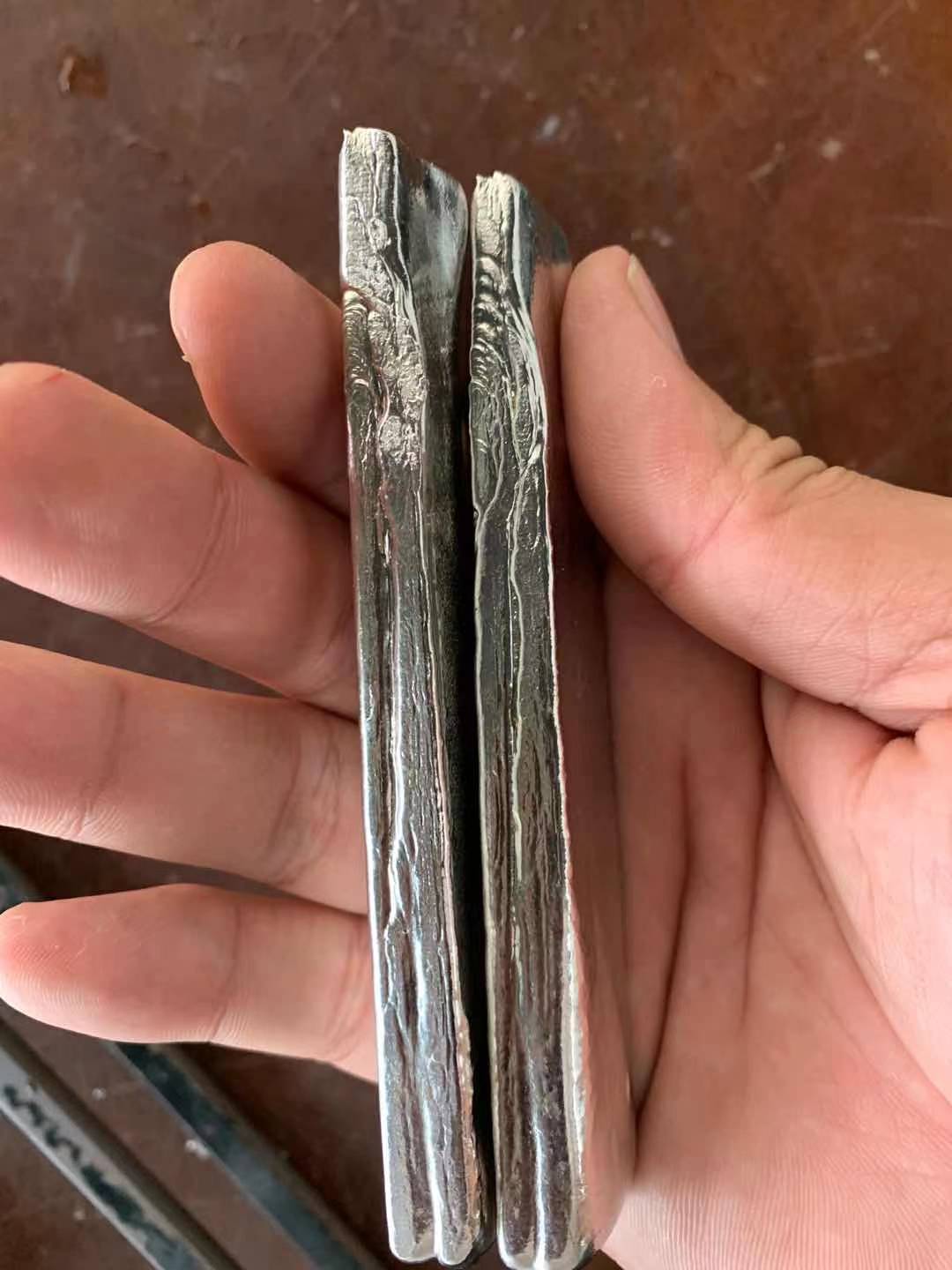
- Luster and Reflectivity: Rhodium exhibits very high reflectivity, making it a preferred coating material for optical devices to improve reflectance, especially where high-purity mirror finishes are required.
- Hardness and Ductility: Rhodium is hard yet ductile enough to be fabricated into extremely thin films and fine wires, suitable for applications requiring both high strength and flexibility.
1.3 Electrical and Thermal Properties
- Electrical Conductivity: Rhodium’s electrical conductivity is high, comparable to other precious metals, supporting its use in electronic components and electrical connections.
- Thermal Conductivity: Its good thermal conductivity broadens its applicability, particularly in industrial processes demanding rapid heat transfer.
- Chemical Properties of Rhodium
2.1 Chemical Stability and Corrosion Resistance
- Chemical Inertness: At room temperature, rhodium is highly stable and resists reaction with most chemicals, underpinning its vital role in catalysis and chemical reactions.
- Acid Resistance: Rhodium withstands corrosion in acidic environments such as nitric acid, resisting oxidation and other degradative processes, advantageous in harsh applications.
2.2 Oxidation States and Compounds
- Multiple Oxidation States: Rhodium exhibits oxidation states of +1, +2, +3, +4, and +6, with +3 being the most prevalent and widely utilized in catalytic chemistry.
- Representative Compounds: Rhodium compounds like rhodium(III) chloride (RhCl₃) are extensively employed in heterogeneous catalysis and organic synthesis.
- Alloys: Rhodium alloys are valued for corrosion and high-temperature resistance, commonly used in high-power electrical contacts and thermocouples, offering excellent durability and reliability.
- Resources and Production
3.1 Rarity and Geographic Sources
Rhodium is a relatively rare element in the Earth’s crust, predominantly sourced as a byproduct from platinum and nickel ores mined in South Africa, Russia, and Canada. Consequently, rhodium’s market supply is influenced by the overall mining activity and platinum market trends.
3.2 Extraction and Refining
Extracting rhodium from platinum group metal ores involves complex metallurgical processes including solvent extraction, electrolysis, and ion exchange. These high-cost and technically demanding methods contribute significantly to rhodium’s premium price.
- Applications
4.1 Automotive Catalytic Converters
- Emission Control: Rhodium serves as a critical catalyst component alongside platinum and palladium in automotive converters, facilitating the conversion of harmful nitrogen oxides and enabling manufacturers to meet emission standards.
- Environmental Impact: Use of rhodium catalysts effectively reduces vehicle emissions of toxic gases, supporting clean air initiatives.
4.2 Electroplating and Decorative Uses
- Wear-Resistant Coatings: Due to its high reflectivity and corrosion resistance, rhodium plating is extensively applied in jewelry, watches, and scientific instruments to enhance appearance and durability.
- High-Performance Components: Precision instruments and advanced technology devices often employ rhodium plating to provide lasting protection and improve performance.
4.3 Other Scientific and Industrial Applications
- Electronics and Sensors: Rhodium’s stability and durability are indispensable in high-precision electronic components and sensors, especially under high-temperature and harsh chemical conditions.
- Chemical Catalysis: Rhodium compounds act as catalysts in cracking and hydrogenation reactions, supporting efficient and environmentally friendly production processes.
- Challenges and Future Trends
5.1 Cost and Supply Chain Risks
Rhodium’s high price and volatile supply pose significant cost management challenges and supply chain risks. The industry is increasingly exploring recycling and substitution strategies to mitigate these issues.
5.2 Circular Economy and Sustainability
Enhancing rhodium recycling efficiency and innovating circular utilization technologies not only alleviate resource pressures but also advance the development of a low-carbon green economy.
5.3 Technological Innovation and Application Expansion
With advances in nanotechnology and materials science, rhodium’s potential applications are expanding into new fields, particularly in novel material synthesis, environmental protection, and renewable energy devices.
Conclusion
Rhodium’s stability and exceptional physicochemical properties make it a critical element across numerous high-tech and traditional industrial fields. Despite challenges posed by limited resources and high costs, continued technological innovation and resource management strategies ensure its broad application prospects. Ongoing materials research and economic improvements will sustain rhodium’s importance in high-performance industrial materials and catalytic applications.
