

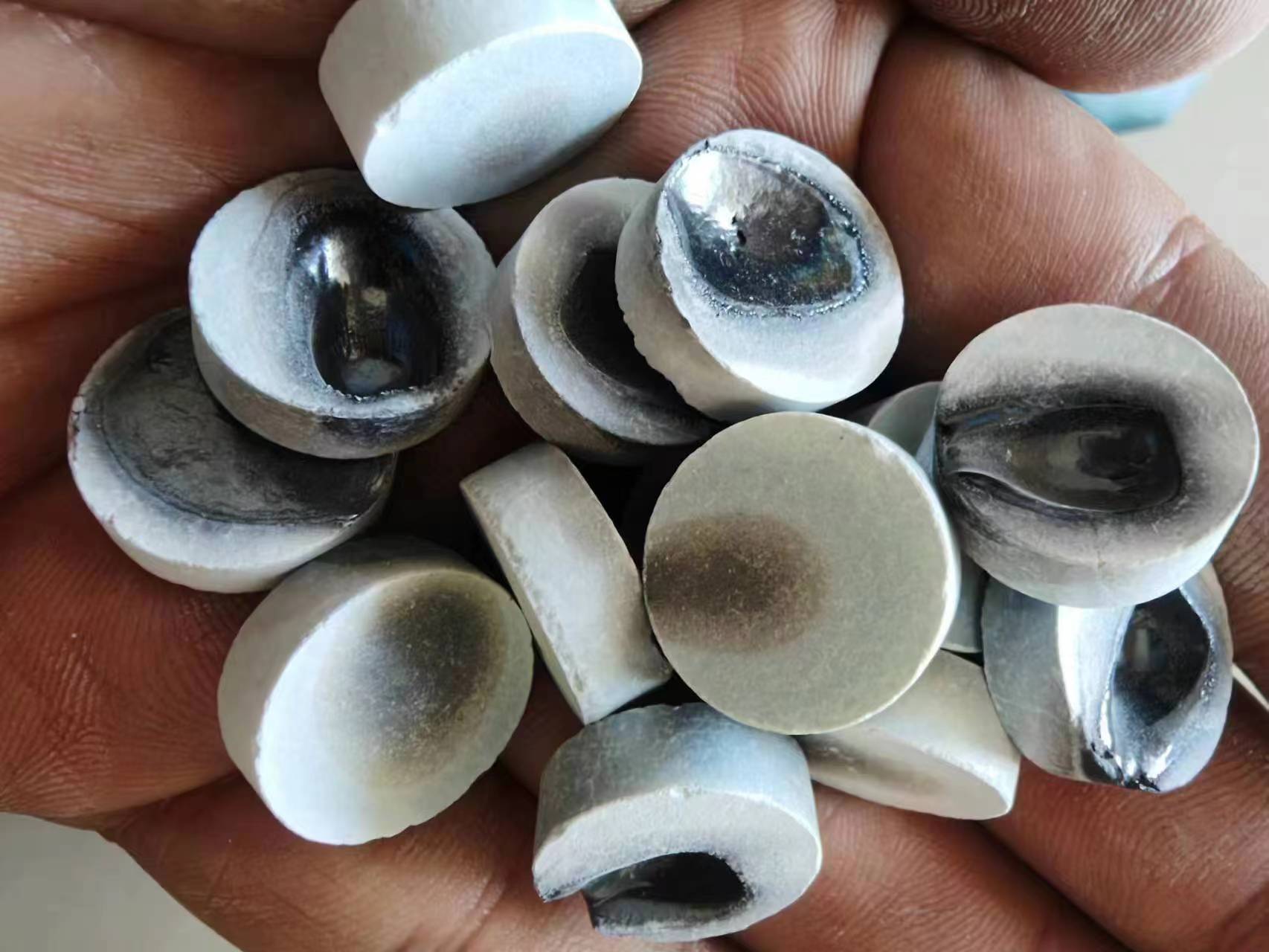
Physical and Chemical Properties of Hafnium: Key Characteristics

Abstract
Hafnium (Hf), a transition metal in the fourth period of the periodic table, possesses unique physical and chemical properties that underpin its extensive applications in high-technology fields. Its physical attributes include excellent corrosion resistance, a high melting point (approximately 2233°C), and strong thermal neutron absorption capacity. Chemically, hafnium exhibits high stability and can form various oxides and coordination compounds. Due to its natural coexistence with zirconium and the difficulty of separation, producing pure hafnium is complex; nonetheless, it holds significant value in nuclear industry and high-temperature alloy materials.
- Physical Properties of Hafnium
1.1 Density and Melting Point
- High Melting Point: Hafnium melts at 2233°C, making it well-suited for applications in high-temperature environments and an ideal candidate for high-temperature alloys and refractory materials.
- Density and Hardness: With a density of about 13.31 g/cm³, hafnium is classified as a heavy metal. Its hardness is comparable to titanium, offering good structural stability and mechanical strength.
1.2 Other Physical Characteristics
- Thermal Neutron Absorption Cross-Section: Hafnium exhibits significant thermal neutron absorption capability, rendering it highly effective as a control material in nuclear reactors by regulating neutron flux and reaction rates.
- Electrical and Thermal Conductivity: Hafnium has moderate electrical and thermal conductivity; although lower than noble metals, it remains useful in specialized applications such as electrical contacts and high-temperature conductive components.
- Chemical Properties of Hafnium
2.1 Chemical Stability and Corrosion Resistance
- Corrosion Resistance: Hafnium performs excellently in resisting corrosion across many aggressive media, particularly in strongly acidic and alkaline environments—an important property for chemical and nuclear industries.
- Inertness: Due to the formation of a stable oxide film on its surface, hafnium typically exhibits low reactivity toward air and many chemical reagents, which prolongs its service life under harsh conditions.
2.2 Oxides and Compounds
- Multiple Valence States: The most common oxidation state of hafnium is +4. Its oxide, hafnium dioxide (HfO₂), is a high-melting, wear-resistant material widely used in high-temperature ceramics and electronics.
- Complexes and Alloys: Hafnium forms alloys and coordination compounds with various elements. These compounds often possess specific physicochemical properties, making hafnium valuable in metallurgy and materials chemistry.
- Resources and Extraction
3.1 Coexistence with Zirconium
Hafnium naturally coexists with zirconium, primarily found in zircon mineral deposits. Consequently, hafnium extraction typically occurs as part of the zirconium refining process.
3.2 Separation and Purification Techniques
Given the chemical similarity between hafnium and zirconium, their separation requires complex chemical processes such as solvent extraction and ion exchange. This complexity makes pure hafnium production relatively costly and technically demanding.
- Applications of Hafnium
4.1 Nuclear Industry Applications
- Control Materials: Hafnium’s excellent neutron absorption and corrosion resistance make it suitable for manufacturing control rods and protective cladding in nuclear reactors.
- Fuel Cladding: Its high thermal stability and robustness also qualify hafnium for use as nuclear fuel cladding material, ensuring both safety and efficiency.
4.2 High-Temperature Alloys and Refractory Materials
Hafnium enhances creep resistance and oxidation resistance in high-temperature alloys, playing a critical role in aerospace turbine blades and heat-resistant equipment.
4.3 Electronic Components and Semiconductors
Hafnium dioxide serves as a novel high-k dielectric material extensively applied in transistors and integrated circuits, promoting advancements in electronics miniaturization.
- Research and Development Trends
5.1 Development of Novel Hafnium-Based Materials
Modern materials science is progressing toward hafnium-based alloys and composites with higher strength, reduced weight, and multifunctionality to meet growing high-tech demands.
5.2 Improvements in Separation Processes
With expanding nuclear power and semiconductor industries, advances continue in improving the efficiency and cost-effectiveness of hafnium separation and purification, aiming to reduce environmental footprints.
5.3 Environmental Impact and Sustainability
The production and extensive application of hafnium necessitate environmental monitoring to minimize ecological impact and encourage sustainable recycling and reuse technologies.
Conclusion
Hafnium, owing to its distinctive physical and chemical properties, is a key element in modern science and industry. Its applications span traditional sectors such as high-temperature alloys and nuclear reactor materials, while also driving emerging technologies. Future advancements in separation technologies and materials science are expected to broaden hafnium’s application scope further. Concurrently, strengthened management of its supply chain and environmental sustainability will be essential to ensure its long-term, responsible utilization.
